Home gardening ideas start with your USDA Plant Hardiness Zone. The 2023 map, released November 15, 2023, uses data from 13,412 weather stations and shows roughly half the country shifted to a warmer half-zone[1].
Season-by-Season Home Gardening Calendar
A seasonal gardening calendar helps plan what to plant, prune, and prepare throughout the year. This organized approach can simplify gardening tasks and enhance productivity.
Spring (March - May)
- What to Plant: Start with cool-season crops like peas and lettuce. These thrive in the cooler temperatures of early spring.
- Soil Preparation: Test soil pH and amend as needed. Ideal pH for most vegetables is between 6.0 and 7.0.
- Pruning: Early spring is a good time to prune fruit trees before they bloom.
Summer (June - August)
- What to Plant: Focus on warm-season crops such as tomatoes and peppers. These require warmer soil and air temperatures.
- Mulching: Apply a layer of mulch around plants to retain moisture and suppress weeds. A 2- to 3-inch layer is typically effective.
- Watering Schedule: Establish a consistent watering routine, aiming for about 1 inch of water per week, either through rainfall or irrigation.
Fall (September - November)
- What to Plant: Garlic is an excellent choice for fall planting, ideally put in the ground 4-6 weeks before the first frost.
- Cover Crops: Consider planting cover crops like clover, which can improve soil health and prevent erosion during winter.
- Leaf Cleanup: Regularly clear fallen leaves to prevent pests and diseases from overwintering.
Winter (December - February)
- Planning: Use this time to plan the next year’s garden layout and select seeds based on the USDA hardiness zones.
- Indoor Herbs: Start herbs indoors, such as basil and parsley, which can thrive on a sunny windowsill.
- Tool Maintenance: Clean and sharpen tools to ensure they are ready for the upcoming gardening season.
Understanding your USDA hardiness zone is crucial for selecting appropriate plants and timing. The 2023 USDA Plant Hardiness Zone Map, based on 30-year averages, provides updated information on temperature ranges, helping gardeners make informed decisions about what to plant and when[1].
Small-Space Gardening Ideas That Actually Work
Small-space gardening can be both practical and rewarding. Techniques such as vertical gardening, container gardening, and raised beds allow for efficient use of limited areas.
Vertical Gardening
Vertical gardening utilizes structures like trellises and wall planters to grow plants upward. This method is ideal for small spaces, as it maximizes vertical area. For example, a simple trellis can support climbing plants like beans or cucumbers, allowing them to thrive without taking up valuable ground space.
Container Gardening
Container gardening is another effective strategy. Choosing containers with a minimum depth of 12 inches is essential for root vegetables like carrots and potatoes. This depth provides adequate space for roots to grow. Various containers can be used, from traditional pots to repurposed items like buckets or wooden crates, making this method both flexible and creative.
Balcony Setups
For those with balconies, creating a garden can be as simple as arranging a few containers. Utilizing railing planters can allow for additional growing space without sacrificing floor area. Herbs, flowers, and even small vegetable plants can flourish in these setups, offering fresh produce and greenery.
Raised Beds
Raised garden beds, commonly sized at 4x4 feet, are perfect for small plots. This size allows for easy access while providing enough space for a variety of plants. The Square Foot Gardening method divides the bed into 16 one-foot squares, optimizing planting density. For instance, larger crops like broccoli can be spaced one per square foot, while smaller crops like carrots can fit up to 16 per square foot[4].
Practical Considerations
When planning a small-space garden, consider factors such as sunlight, water access, and soil quality. Using compost can enhance soil health, and mulching helps retain moisture and suppress weeds. Regular maintenance, such as checking for pests and ensuring proper irrigation, is vital for success.
By implementing these small-space gardening ideas, anyone can cultivate a thriving garden, regardless of the size of their area.
Low-Maintenance Garden Design Principles
The "right plant, right place" rule emphasizes selecting plants suited to their environment. This means understanding your USDA hardiness zone, which helps identify plants that will thrive in specific temperature ranges[1]. For instance, if you are in Zone 8, consider drought-tolerant plants like succulents or lavender, which require less water and maintenance.
Mulching is another effective strategy to reduce weeding and conserve moisture. Applying a 2- to 3-inch layer of organic mulch around plants can significantly decrease the frequency of weeding while retaining soil moisture during dry spells. This creates a healthier growing environment and lessens the time spent on garden upkeep.
Drought-tolerant plants are ideal for low-maintenance gardens. Selecting native or adapted species not only conserves water but also supports local ecosystems. For example, plants like sedums and echinacea are hardy and require minimal irrigation once established.
Simple drip irrigation systems can automate watering, saving time and ensuring plants receive consistent moisture. These systems deliver water directly to the soil, minimizing evaporation and runoff. Setting up a basic drip system can be done with a few components and requires less maintenance than traditional watering methods.
A practical guideline for garden layout is the 70/30 rule. This suggests using 70% structural or perennial plants that provide stability and beauty year-round, while 30% can be seasonal or annual plants for variety and color. This balance reduces the workload since perennial plants require less frequent replacement.
The 5-4-3-2-1 method for layered planting involves creating visual interest by planting in layers. For example, place taller plants (5) at the back, medium (4) in the middle, shorter (3) in front, and ground cover (2) near the edges, with one focal point (1) to draw the eye. This arrangement not only looks appealing but also maximizes space and light for each plant.
Checklist for Reducing Weekly Garden Workload
- Choose plants suited to your hardiness zone.
- Implement a drip irrigation system.
- Apply mulch to suppress weeds.
- Select drought-tolerant plants.
- Use the 70/30 rule for planting ratios.
- Layer plants using the 5-4-3-2-1 method.
By following these principles, the garden can remain beautiful and productive with minimal effort, allowing more time to enjoy the fruits of our labor.
Budget-Friendly DIY Garden Projects
Creating a garden on a budget is achievable with a few simple DIY projects. Here are some practical ideas to enhance your gardening experience without overspending.
Building a Raised Bed
A raised garden bed made from cedar boards is a durable option that can cost under $50. To construct one, follow these steps:
- Materials Needed: Four cedar boards (2"x6"x8'), wood screws, and a drill.
- Assembly: Cut the boards to your desired dimensions, typically 4'x4' or 4'x8'.
- Construction: Assemble the boards into a square or rectangle, securing corners with screws.
- Fill: Add a mixture of soil and compost to create a nutrient-rich environment for plants.
This project usually takes about 2-3 hours to complete, depending on skill level.
Making Plant Labels
Plant labels help identify different plant varieties and can be made from household items. Here’s how:
- Materials Needed: Old spoons, popsicle sticks, or wine corks and a permanent marker.
- Preparation: Clean the items and write the plant names on them.
- Placement: Stick the labels into the soil near the corresponding plants.
This project is quick, requiring only about 30 minutes, and costs little to nothing if repurposing items.
Creating a Compost Bin
A compost bin made from wooden pallets is an eco-friendly way to recycle kitchen scraps and yard waste.
- Materials Needed: Four wooden pallets and zip ties or screws.
- Setup: Arrange the pallets in a square or rectangular format, securing them with zip ties or screws.
- Filling: Start adding kitchen scraps, yard waste, and balance carbon and nitrogen materials to create compost[3][5].
Estimated costs for this project can range from $20 to $50, depending on pallet availability. It typically takes about an hour to set up.
Propagating Plants from Cuttings
Plant propagation is an economical way to expand your garden.
- Materials Needed: Sharp scissors, water, and small pots or containers.
- Method: Cut a 4-6 inch section from a healthy plant stem. Remove lower leaves and place the cutting in water or soil.
- Care: Keep the cuttings in a warm, bright location, changing the water regularly if using that method.
This method can take a few weeks for roots to develop, and costs are minimal, usually under $10 for pots if needed.
These budget-friendly DIY projects not only save money but also enhance gardening skills. Each project offers a practical way to create a thriving garden space while enjoying the process.
Edible Garden Ideas for Every Season
Creating an edible garden can provide fresh produce year-round. Here are some effective strategies to consider.
Kitchen Gardens and Herb Spirals
A kitchen garden, often referred to as a potager, combines aesthetics with functionality. This garden typically includes a variety of vegetables, herbs, and edible flowers arranged in a visually pleasing manner. Incorporating herb spirals can maximize space and create microclimates. Herbs planted in a spiral can benefit from varying sun exposure and moisture levels, making it easier to grow a diverse range.
Succession Planting
Succession planting is a strategy to maximize yield throughout the growing season. This involves planting new crops as soon as older ones are harvested. For example, after harvesting early spring peas, consider planting a fast-maturing crop like radishes or lettuce. This method ensures a continuous supply of fresh produce and utilizes garden space effectively.
Cold Frames for Season Extension
Cold frames are simple structures that protect plants from frost while capturing sunlight. They can extend the growing season by allowing gardeners to start plants earlier in the spring and keep them growing later into the fall. A cold frame can be made from old windows or a simple wooden frame covered with plastic. Placing it in a sunny location will optimize its effectiveness.
Crop Rotation Basics
Crop rotation is essential for maintaining soil health and preventing pests. A basic rotation plan involves grouping plants by family and rotating them to different locations each year. For example, follow legumes (which fix nitrogen in the soil) with leafy greens, then root crops, and finally fruiting plants. This pattern helps prevent nutrient depletion and reduces disease risk.
Companion Planting
Companion planting can enhance growth and deter pests. For instance, tomatoes grow well with basil, which can improve flavor and repel insects. Similarly, carrots and onions can be planted together; the strong scent of onions helps deter carrot flies. This practice not only maximizes space but also creates a healthier garden ecosystem.
Visual Grouping with the 3-5-7 Rule
The "3-5-7" rule suggests planting edible plants in odd-numbered groups for a more natural look. For example, group three basil plants together, five peppers in another area, and seven tomato plants. This arrangement creates visual interest and can help in managing plant health by promoting better airflow and sunlight exposure[2][6].
By implementing these ideas, gardeners can enjoy a fruitful edible garden throughout the year, making the most of their available space and resources.
Common Home Gardening Mistakes and How to Avoid Them
Home gardening can be rewarding, but several common mistakes can hinder success. Understanding these errors and how to prevent them is essential for nurturing a thriving garden.
Overwatering
Overwatering is a frequent mistake that can lead to root rot and yellow leaves. To prevent this, check the soil moisture before watering; if the top inch feels dry, it's time to water. A good rule of thumb is to water deeply but less frequently.
Planting Too Deep
Planting seeds or seedlings too deep can restrict their growth. Each plant has specific depth requirements; for instance, most seeds should be planted at a depth of two to three times their size. To avoid this mistake, refer to seed packets for guidance.
Ignoring Sunlight Requirements
Every plant has unique sunlight needs. Ignoring this can result in poor growth or even plant death. A simple diagnostic sign is leggy plants, which indicate they are stretching for light. To prevent this, assess the sunlight conditions in your garden and choose plants that match those conditions.
Overcrowding
Overcrowding plants can lead to competition for nutrients and sunlight. This often results in stunted growth. To prevent overcrowding, follow spacing guidelines on seed packets or plant labels. For example, larger plants like tomatoes should be spaced at least 24 inches apart.
Skipping Soil Testing
Not testing soil can lead to nutrient deficiencies or imbalances. A soil pH between 6.0 and 7.0 is generally ideal for most plants. To avoid this mistake, conduct a soil test at least once a year. Many local extension services offer testing kits that provide detailed information about soil composition.
Not Hardening Off Seedlings
Directly planting seedlings outdoors without hardening them off can shock the plants. Hardening off involves gradually acclimating seedlings to outdoor conditions over a week. Start by placing them outside for a few hours each day, gradually increasing their exposure.
Forgetting to Mulch
Mulching helps retain soil moisture and suppress weeds. Neglecting this can lead to increased watering needs and more weeds. A 2- to 3-inch layer of organic mulch around plants can significantly improve garden health. To apply, spread mulch evenly, ensuring it does not touch plant stems.
By being aware of these common mistakes and implementing simple prevention strategies, gardeners can enhance their gardening experience and increase their chances of success.
Seasonal Garden Maintenance Checklist
Maintaining a garden throughout the seasons ensures healthy plants and a fruitful harvest. A seasonal maintenance checklist can simplify this process, outlining essential tasks for each season. Below is a downloadable format that breaks down tasks by season, timing, and their significance.
| Task | Timing | Why It Matters |
|---|---|---|
| Spring Cleanup | March - April | Removes debris, preventing pests and diseases. |
| Soil Amendment | March - April | Enhances soil fertility for better plant growth. |
| Seed Starting | Late March - May | Ensures timely planting for a longer growing season. |
| Deadheading | June - August | Encourages more blooms and prolongs flowering. |
| Pest Monitoring | June - August | Identifies issues early, preventing crop loss. |
| Deep Watering | July - August | Supports deep root growth during hot months. |
| Bulb Planting | September - October | Prepares for spring blooms, enhancing garden beauty. |
| Leaf Composting | October - November | Reduces waste and creates nutrient-rich compost. |
| Tool Storage | November | Protects tools from winter damage, ensuring longevity. |
| Pruning Dormant Trees | December - February | Promotes healthy growth when trees wake in spring. |
| Planning | December - February | Allows for efficient planting and crop rotation. |
| Ordering Seeds | January - February | Ensures availability of desired varieties for spring. |
Seasonal Task Breakdown
Spring
Spring is a time for renewal. Begin with a thorough cleanup to remove any debris that could harbor pests or diseases. Amend the soil with organic matter to improve its structure and fertility. Starting seeds indoors can give them a head start, leading to a more productive garden.
Summer
During summer, deadheading flowers encourages more blooms and keeps the garden looking vibrant. Monitor for pests regularly; catching them early can save crops from significant damage. Deep watering is crucial in the heat, promoting a robust root system.
Fall
Fall is ideal for planting bulbs that will bloom in spring. Composting fallen leaves creates rich organic material for the garden. Store tools properly to prevent rust and damage during winter.
Winter
Use the winter months for pruning dormant trees, which helps shape them and promotes healthy growth in spring. Planning the next year's garden layout and ordering seeds early ensures a well-organized start to the planting season.
By following this checklist, gardeners can stay organized and ensure their plants thrive throughout the year.
Garden Design Ideas by Style and Purpose
Creating a beautiful garden at home can be achieved through various styles tailored to individual preferences and needs. Here are some popular garden styles, along with key plants and design principles for each.
Cottage Garden
Cottage gardens are known for their informal, dense plantings that create a lush, romantic atmosphere.
Key Plants:
- Foxglove
- Lavender
- Delphinium
- Peonies
- Salvia
Design Principles:
- Mixing Plants: Combine perennials, annuals, and herbs for a vibrant look.
- Curved Paths: Use winding paths to create a natural flow through the garden.
- Layering: Plant taller flowers at the back and shorter ones at the front to enhance visibility.
Modern Minimalist Garden
This style emphasizes simplicity and clean lines, often featuring a limited color palette.
Key Plants:
- Ornamental grasses
- Succulents
- Boxwood
- Bamboo
Design Principles:
- Geometric Shapes: Use geometric planters and straight lines for a structured appearance.
- Neutral Colors: Opt for plants with subtle colors to maintain a serene environment.
- Negative Space: Incorporate empty spaces to enhance the minimalist aesthetic.
Pollinator-Friendly Garden
Creating a garden that attracts bees, butterflies, and other pollinators supports local ecosystems.
Key Plants:
- Coneflower
- Milkweed
- Bee balm
- Black-eyed Susan
Design Principles:
- Diverse Planting: Include a variety of flowering plants that bloom at different times.
- Native Species: Use native plants to provide habitats for local pollinators.
- Avoid Pesticides: Minimize chemical use to maintain a healthy environment for pollinators.
Shade Garden
Shade gardens thrive in low-light conditions, making use of plants that require less sunlight.
Key Plants:
- Hostas
- Ferns
- Astilbe
- Bleeding heart
Design Principles:
- Layered Planting: Use varying heights to create visual interest in shaded areas.
- Focal Points: Incorporate elements like benches or sculptures to draw the eye.
- Texture Variety: Mix different leaf shapes and sizes to enhance depth.
Sensory Garden for Kids
Sensory gardens engage children’s senses with plants that have unique textures, scents, and colors.
Key Plants:
- Lamb's ear (soft texture)
- Lemon balm (pleasant scent)
- Marigolds (vibrant color)
- Snapdragons (interactive flowers)
Design Principles:
- Interactive Elements: Incorporate features like a water fountain or tactile paths.
- Colorful Arrangements: Use bright, bold colors to attract children's attention.
- Accessible Layout: Ensure paths are wide enough for easy navigation.
By selecting a style that resonates with personal tastes and aligning with the specific purpose of the garden, each gardener can create a unique space that not only beautifies their home but also serves a functional role.
Container and Indoor Gardening for Year-Round Interest
Transitioning plants indoors for the winter can ensure a continued harvest and fresh greenery during colder months. Start by selecting healthy plants from your outdoor garden, such as basil, mint, and chives. These herbs thrive indoors, requiring specific conditions to flourish. Basil prefers a container size of at least 6 inches in diameter, while mint and chives can grow well in 10-inch containers[1].
Indoor Herb Choices
- Basil: Needs at least 6 hours of sunlight daily. Ideal for a sunny kitchen windowsill.
- Mint: Thrives in a larger pot (10 inches) to prevent root crowding. It prefers indirect light but can adapt to brighter spots.
- Chives: A 6-inch pot is sufficient. They grow well in moderate light and can tolerate a range of indoor conditions.
Grow Lights Basics
For gardeners without adequate natural light, grow lights can be an excellent solution. LED grow lights are energy-efficient and emit the spectrum of light that plants need for photosynthesis. Position the lights about 12-24 inches above the plants and keep them on for 12-16 hours a day during winter months. This mimics the longer daylight hours of spring and summer, promoting healthy growth.
Self-Watering Containers
Self-watering containers can simplify indoor gardening by maintaining consistent moisture levels. These containers typically have a reservoir at the bottom that allows plants to absorb water as needed. This method reduces the frequency of watering and helps prevent over- or under-watering, common issues for indoor gardeners. A 12-inch self-watering pot is suitable for larger herbs or small vegetables like peppers.
Container Gardening in Apartments and Rentals
Container gardening is especially beneficial for apartment dwellers and renters who may not have access to outdoor space. Utilizing vertical gardening techniques with wall-mounted pots or tiered plant stands can maximize space. Additionally, using lightweight materials for pots, such as resin or fabric, can make it easier to move plants around as needed.
By selecting the right herbs, utilizing grow lights, and employing self-watering containers, indoor gardening can remain productive and enjoyable throughout the year. These practices not only enhance the aesthetic of living spaces but also provide fresh ingredients for culinary use.
Seasonal Mistake Prevention Table
- Common Mistake
- Overwatering
- Season
- Spring
- One-Line Fix
- Check soil moisture before watering.
- Common Mistake
- Wrong Plant Placement
- Season
- Summer
- One-Line Fix
- Ensure plants match sunlight needs.
- Common Mistake
- Skipped Soil Prep
- Season
- Spring
- One-Line Fix
- Amend soil with organic matter.
- Common Mistake
- Neglecting Mulch
- Season
- Summer
- One-Line Fix
- Apply 2-3 inches of organic mulch.
- Common Mistake
- Ignoring Pest Monitoring
- Season
- Summer
- One-Line Fix
- Inspect plants weekly for pests.
- Common Mistake
- Late Bulb Planting
- Season
- Fall
- One-Line Fix
- Plant bulbs by October for spring blooms.
- Common Mistake
- Improper Pruning
- Season
- Winter
- One-Line Fix
- Prune trees during dormancy for health.
- Common Mistake
- Not Planning
- Season
- Winter
- One-Line Fix
- Outline next year's garden layout early.
Typical Mistakes and Misconceptions
Planting by an outdated hardiness zone
Many gardeners still use the 2012 USDA map to pick perennials. The 2023 update shows roughly half the country shifted to the next warmer half-zone, about 0–5 degrees Fahrenheit[1]. A plant rated for the old zone can fail in the new zone's winter. Check the 2023 USDA Plant Hardiness Zone Map before ordering seeds or shrubs.
Composting with mostly kitchen scraps
Fruit peels and coffee grounds alone do not make balanced compost. The effective carbon-to-nitrogen ratio is about 30:1 by weight, and too much nitrogen-rich material often smells and attracts animals[3]. Mix about half brown leaves at 40:1 with half grass clippings at 20:1 to reach the right balance[5]. Coffee grounds are a nitrogen-rich green at about 20:1, not a brown[5].
Overcrowding a square foot garden
Some gardeners plant rows in a raised bed, while others give every crop the same one-foot space. The Square Foot Gardening method uses sixteen 1-foot squares in a 4-by-4-foot bed, with densities of 1, 4, 9, or 16 plants per square based on mature size[4]. Broccoli, cabbage, and peppers need one per square, while carrots and radishes go 16 per square at 3-inch spacing[4]. This prevents both crowding and wasted space.
Buying one of each perennial
A common beginner habit is buying a single plant of many varieties to get variety. Designers recommend grouping each perennial type in drifts of 3, 5, or 7 plants, in amorphous shapes about 1 yard across, for a woven border effect[6]. Odd numbers read as natural and flowing, while even numbers look formal and man-made[2]. One each of many grasses creates a hodge-podge with no visual focal points[7].
Assuming one cold winter changes your zone
A single harsh winter does not mean a gardener moved to a colder zone. The USDA map uses 30-year averages of the lowest annual winter temperatures[1]. One unusual season does not shift the zone. Use the long-term average when choosing perennials and trees.
Before you go
- What are some simple garden ideas for a home?
Start with one 4-by-4-foot raised bed and divide it into sixteen 1-foot squares, planting each square at a density of 1, 4, 9, or 16 plants based on mature size[4]. For visual appeal, group perennials in drifts of 3, 5, or 7 plants rather than buying one of each variety[6]. A simple pollinator patch with coneflower, bee balm, and black-eyed Susan works without much fuss.
- What is the 70/30 rule in gardening?
The 70/30 rule is not a recognized gardening standard in the sources provided. The closest documented ratio is the carbon-to-nitrogen balance for composting, which works best at about 30 parts carbon to 1 part nitrogen by weight, not 70/30[3]. If you see the 70/30 rule mentioned online, check whether it refers to a specific product or local practice rather than a general gardening principle.
- What is the 5-4-3-2-1 gardening method?
The 5-4-3-2-1 gardening method is not defined in the sources provided. The documented spacing guideline is Square Foot Gardening, which uses a 4-by-4-foot bed divided into sixteen 1-foot squares with plant densities of 1, 4, 9, or 16 per square[4]. For example, broccoli goes one per square, while carrots go 16 per square at 3-inch spacing[4].
- What is the '3, 5, 7' rule in landscaping?
The '3, 5, 7' rule recommends grouping plants in odd numbers of 3, 5, or 7 because odd groupings read as more naturalistic and flowing, while even numbers create a formal, man-made appearance[2]. Designers suggest planting each perennial type in drifts of 3, 5, or 7 individual plants of the same variety, sited in amorphous shapes about 1 yard across, to create a woven border effect[6]. For ornamental grasses, grouping each variety in odd numbers together avoids a scrambled hodge-podge with no visual focal points[7].
- How do I start a vegetable garden in a small backyard?
Build or buy a 4-by-4-foot raised bed and divide it into sixteen 1-foot squares, planting each square at a density based on mature plant size[4]. Extra-large crops like broccoli, cabbage, peppers, and eggplant need one plant per square, while small crops like carrots and radishes go 16 per square at 3-inch spacing[4]. Check the 2023 USDA Plant Hardiness Zone Map before choosing varieties, since roughly half the country shifted to a warmer half-zone compared to 2012[1].
- What are the best low-maintenance plants for a home garden?
For shade, hostas, ferns, astilbe, and bleeding heart thrive with little attention. For sun, ornamental grasses grouped in odd numbers of 3, 5, or 7 create visual impact without constant care[7]. Native species suited to your 2023 USDA hardiness zone reduce watering and pest issues, since the map uses 30-year averages of lowest winter temperatures to guide plant selection[1].
- What can I grow indoors year-round?
Basil, mint, and chives are reliable indoor herbs, with basil needing at least 6 hours of sunlight daily and a container at least 6 inches in diameter[1]. Mint grows well in a 10-inch pot to prevent root crowding. If natural light is limited, position LED grow lights 12-24 inches above plants and keep them on for 12-16 hours a day during winter months.
Conclusions
Four moves keep the garden manageable year-round.
- Begin with one small growing space, then add more after a full season.
- Match perennials to the current climate zone map instead of relying on memory.
- Build compost with a mix of dry leaves and food scraps, not only fruit peels and coffee grounds.
- Plant several of the same perennial together for a calmer, more natural look.
- Give indoor herbs enough light and root space before moving them inside.
For a season-by-season starting plan, see How to Start a Home Garden: A Step-by-Step Guide.
Evidence and sources
- USDA Unveils Updated Plant Hardiness Zone Map
- Landscape Design Basics: 5 Tips for Professional Results
- Composting for the Home Gardener [fact sheet] - UNH Extension
- Find Square Foot Spacing for Garden Plants
- Garden Compost - Nebraska Extension Publications
- Border garden – Home for the Harvest
- Masses of Grass: Planting Large Groupings Of Ornamental Grasses
Worth a look

Comparing Organic vs Sustainable Farming: Key Differences
Explore the key differences between organic and sustainable farming to make informed decisions for your agricultural practices.

Protecting Yourself from ATM Skimming: Personal Insights
A Florida man paid $480 for cloned cards and Monero. The ATM camera, bank logs, and KYC exchange records ended his run in 15 days.
Finding Official Onion Addresses for Trusted Services
How to find and verify official onion addresses for trusted services, plus what to know about four notable projects before using them.
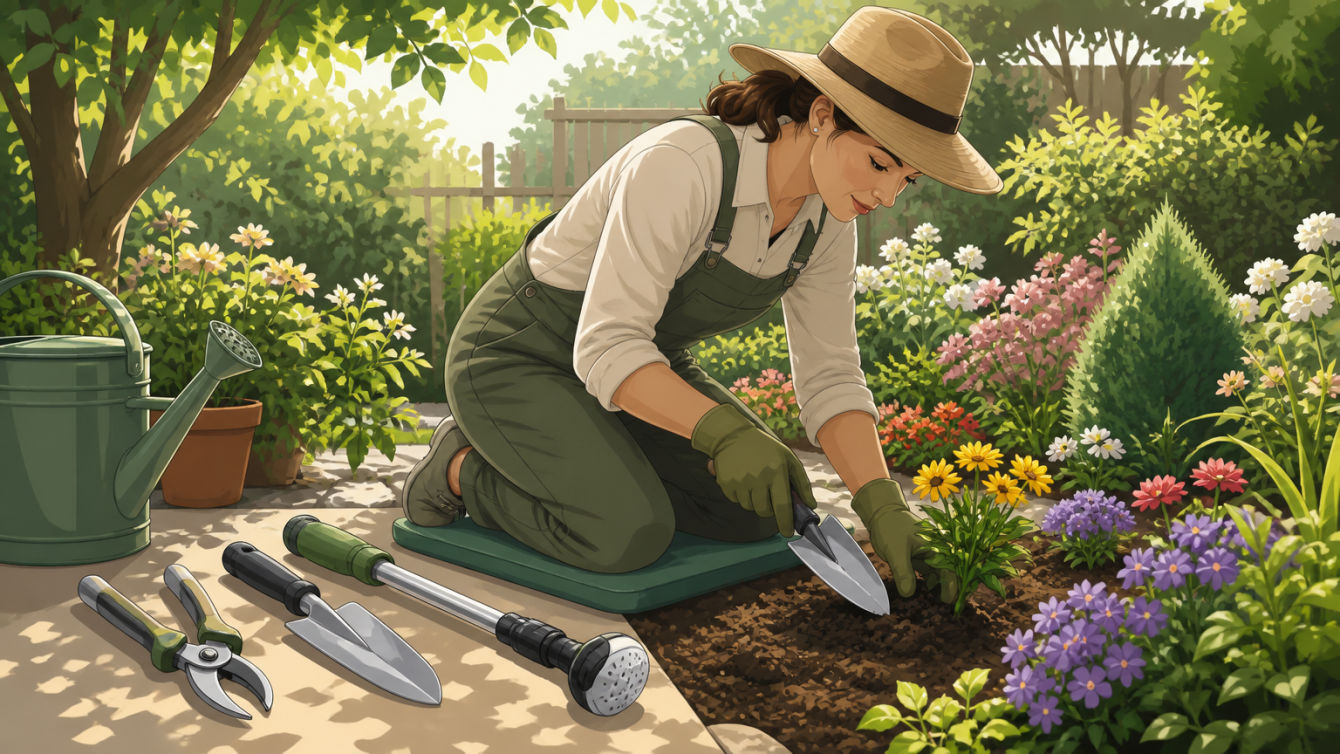
Best Gardening Tools for Home Use
Discover the best gardening tools for home use. Find reliable, ergonomic options that make yard and garden maintenance easy for beginners.