Most farms start with sustainable practices first, then add organic certification if the economics work. Sustainable farming fits operations focused on soil health and cost control without premium markets. Organic makes sense for farms selling to buyers who pay certified premiums. The yield gap is real: organic systems average 25% lower yields than conventional ones[1]. That shrinks to 19.2% with multi-cropping and rotation[2]. Certification fees of $700–$3,000 a year are a real hurdle for small farms[3].
Selection Criteria
- Certification and audit trail
- Organic claims carry a legal definition and third-party verification, while sustainable claims often rely on self-declaration. Ask for a current organic certificate or, for sustainable farms, a recent third-party audit report.
- Input restrictions and residue risk
- Organic rules ban most synthetic pesticides and fertilizers, but sustainable farms may still use them under integrated pest management. Compare the farm's purchase records against the allowed substances list for the organic standard you care about.
- Soil health evidence over time
- Both approaches claim to build soil, but only measured trends show real change. Request soil organic matter tests from at least two different years, or on-farm trial data with before-and-after results.
- Biodiversity and habitat management
- Organic standards require some conservation practices, while sustainable farms vary widely on this point. Look for buffer strips, hedgerows, or documented species counts on the property.
- Labor and social standards
- Neither label automatically guarantees fair wages or safe conditions, though some sustainable certifications include social criteria. Check for a separate social certification or published wage and safety records.
- Economic resilience and market access
- Organic often brings a price premium but higher certification costs; sustainable may lower input costs without a premium. Compare the farm's cost of production and sales records over several seasons.
Comparing Organic vs Sustainable Farming: Key Differences
- Criteria
- Definition
- Organic Farming
- Cultural, biological, and mechanical practices that support ecological balance and biodiversity, prohibiting synthetic inputs [4].
- Sustainable Farming
- Integrated, site-specific systems that meet food needs, enhance environmental quality, and sustain economic viability [5].
- Overlap
- Both aim to improve environmental health and resource management.
- Criteria
- Certification
- Organic Farming
- Requires USDA certification with strict standards [4].
- Sustainable Farming
- No formal certification; practices vary widely and are not federally regulated [5].
- Overlap
- Both may emphasize eco-friendly practices.
- Criteria
- Inputs
- Organic Farming
- Prohibits synthetic fertilizers and pesticides; relies on natural inputs [4].
- Sustainable Farming
- Allows for a broader range of inputs, including some synthetic options, depending on sustainability goals [5].
- Overlap
- Both focus on resource efficiency.
- Criteria
- Soil Health
- Organic Farming
- Promotes soil organic matter and biodiversity [4].
- Sustainable Farming
- Focuses on soil health but may include synthetic amendments for improvement [5].
- Overlap
- Both prioritize soil health.
- Criteria
- Carbon Sequestration
- Organic Farming
- Encourages practices that enhance carbon storage in soil [4].
- Sustainable Farming
- Aims for efficient resource use to reduce carbon footprint [5].
- Overlap
- Both contribute to carbon management.
- Criteria
- Biodiversity
- Organic Farming
- Strictly promotes biodiversity through organic practices [4].
- Sustainable Farming
- Encourages biodiversity but not always through strict guidelines [5].
- Overlap
- Both recognize the importance of biodiversity.
- Criteria
- Yield
- Organic Farming
- Average organic yields are 25% lower than conventional [1].
- Sustainable Farming
- Sustainable practices can vary in yield outcomes based on methods used [5].
- Overlap
- Yield outcomes can overlap depending on practices.
- Criteria
- Market Premium
- Organic Farming
- Organic products often command higher prices due to certification [3].
- Sustainable Farming
- Sustainable products may not have a price premium without certification [5].
- Overlap
- Both can benefit from market demand for eco-friendly products.
- Criteria
- Cost
- Organic Farming
- Certification fees range from $700 to $3,000 annually, impacting small farms [3].
- Sustainable Farming
- Costs vary widely; some sustainable practices may be less expensive [5].
- Overlap
- Both face economic challenges.
- Criteria
- Best For
- Organic Farming
- Consumers seeking certified organic products [4].
- Sustainable Farming
- Farmers aiming for flexibility in practices and resource use [5].
- Overlap
- Consumers interested in eco-friendly options.
- Criteria
- Common Mistakes
- Organic Farming
- Assuming all organic practices are sustainable; organic does not equal sustainable [4].
- Sustainable Farming
- Believing sustainability lacks standards; it varies by practice [5].
- Overlap
- Misunderstanding the scope and definitions of both terms.
Organic vs Sustainable Farming: Definitions That Actually Clarify the Difference
Organic farming is a certified, rule-based production standard, while sustainable farming is a goal-oriented, flexible philosophy. The USDA defines organic agriculture as practices that support ecological balance and conserve biodiversity, prohibiting synthetic fertilizers and genetic engineering[4]. In contrast, sustainable agriculture focuses on meeting human needs while enhancing environmental quality and economic viability, without a legally enforced definition[5]. A key distinction is that "organic is a specific growing prescription, sustainable is a philosophical approach."
Organic farming is legally defined and requires certification, which ensures compliance with strict standards. This certification can incur annual fees ranging from $700 to $3,000, creating a barrier for smaller farms[3]. Sustainable farming lacks formal certification, allowing for a broader range of practices without federal regulation.
Examples of practices that illustrate these differences include:
Synthetic Inputs: Organic farming prohibits synthetic fertilizers and pesticides, relying solely on natural inputs. Sustainable farming, however, may allow some synthetic inputs under integrated pest management strategies[4][5].
Soil Amendments: Organic practices prioritize building soil organic matter without synthetic additives, while sustainable farming might permit synthetic soil amendments to enhance productivity[4][5].
Biodiversity Practices: Organic farming mandates certain practices that promote biodiversity, whereas sustainable farming may vary widely in its approach to biodiversity without strict guidelines[4][5].
Understanding these distinctions helps farmers and consumers make informed decisions in their agricultural and purchasing choices.
Certification and Standards: What Organic Requires That Sustainable Doesn't
USDA Organic certification involves a structured process. Farms must undergo a three-year transition period to eliminate prohibited substances, including synthetic fertilizers and pesticides. The USDA maintains a list of approved substances, ensuring strict adherence to organic practices. Annual inspections are mandatory to verify compliance with these standards[4]. This certification provides consumers with confidence in the legitimacy of organic claims.
In contrast, sustainable farming lacks a single certifying body and formalized standards. Instead, it relies on various frameworks such as regenerative agriculture and agroecology, which can vary significantly from farm to farm[5]. This flexibility allows farmers to implement sustainable practices tailored to their specific conditions without the burden of certification fees or rigorous compliance checks.
| Criteria | Organic Farming | Sustainable Farming |
|---|---|---|
| Certification | Requires USDA certification with strict standards[4]. | No formal certification; practices vary widely[5]. |
| Legal Enforcement | Federally regulated and enforced[6]. | No federal regulations or enforcement[5]. |
| Label Meaning | Guarantees compliance with organic standards[4]. | Varies widely; no standard definition[5]. |
A farm can be sustainable without being certified organic. Many sustainable farms prioritize soil health and resource efficiency without pursuing organic certification. Conversely, an organic farm may not fully embody sustainable practices, especially if it relies heavily on monoculture or lacks biodiversity initiatives. This distinction is crucial for consumers and farmers alike, as it highlights the importance of understanding the nuances between these two approaches to agriculture.
Inputs and Practices: Synthetic vs Natural, and Why It Matters
Organic and sustainable farming differ significantly in their approach to inputs and practices. Organic farming strictly prohibits synthetic fertilizers and pesticides, relying instead on natural methods and materials to enhance soil health and manage pests. The USDA defines organic agriculture as using cultural, biological, and mechanical practices to promote ecological balance and conserve biodiversity[4]. In contrast, sustainable farming allows for a broader range of methods, including some synthetic inputs, as long as they align with environmental goals[5].
Energy use is a notable difference between the two approaches. Organic farms consume 45% less energy than conventional farms, which can lead to lower overall environmental impacts[1]. Additionally, organic practices often result in more fertile soil and greater carbon sequestration capacity, making it a more sustainable choice in many cases. Organic farming has been shown to sequester more carbon due to its emphasis on soil health and biodiversity[1].
While organic farming bans synthetic inputs, it still permits certain approved pesticides, such as copper sulfate and neem oil. These substances, although natural, can still pose risks if not managed properly. Sustainable farming, on the other hand, may incorporate synthetic pesticides as part of integrated pest management strategies, which can sometimes lead to higher yields but might compromise certain environmental goals.
Both farming methods aim to improve soil health and resource management. However, the choice between them often depends on specific goals, such as market access or environmental impact. Organic farming may be more suitable for those seeking certification and premium prices, while sustainable practices can offer flexibility for farmers focused on cost control and ecological balance. Understanding these differences is crucial for making informed decisions about farming practices and product choices.
Environmental Impact: Soil Health, Carbon, and Biodiversity
The environmental impact of organic and sustainable farming can be assessed through soil health, carbon sequestration, and biodiversity. Organic farming emphasizes practices that enhance soil organic matter and promote ecological balance. Research indicates that organic farms sequester more carbon due to a focus on soil health, often leading to increased soil fertility. For instance, organic farming can result in 45% less energy consumption compared to conventional farming, contributing to lower environmental footprints[1].
Organic farming practices enhance soil organic matter, which is crucial for maintaining soil health. A meta-analysis showed that organic systems typically have higher soil organic matter levels than conventional farms[7]. This increase in organic matter not only improves soil structure and fertility but also supports biodiversity by providing habitats for various organisms.
Sustainable farming, while also prioritizing soil health, offers more flexibility in practices. Farmers can adopt methods such as no-till farming, cover cropping, and agroforestry without necessarily being certified organic. These practices can significantly enhance soil health and carbon storage without the restrictions imposed by organic certification[5]. However, the lack of strict guidelines means that sustainable farming practices can vary widely, potentially affecting their overall environmental impact.
Yield differences also play a role in the environmental footprint of these farming methods. Organic yields are generally 10-20% lower than those from conventional farming, which affects land-use efficiency[1]. This yield gap can be mitigated through diversification practices like multi-cropping, which can reduce the gap to about 19.2%[2]. Sustainable practices can sometimes achieve higher yields depending on the techniques employed, thus impacting overall land use differently than organic farming.
In summary, organic farming excels in soil health and carbon sequestration due to its strict practices, while sustainable farming offers flexibility that can lead to diverse environmental benefits. Each approach has strengths and limitations, making them suitable for different farming goals and conditions.
Economic Viability: Costs, Yields, and Market Premiums
Economic considerations are crucial when comparing organic and sustainable farming. Organic farming typically commands a price premium of 20-50% at retail, which can significantly benefit farmers willing to bear the associated costs. However, this comes with certification fees ranging from $700 to $3,000 annually, posing a barrier for small and medium-sized farms[3]. On average, organic yields are often 10-20% lower than conventional yields, with a meta-analysis showing that organic yields are about 25% lower overall[1]. This yield gap can be reduced through practices like multi-cropping, which can narrow the gap to approximately 19.2%[2].
In contrast, sustainable farming generally does not offer a price premium by default. However, it may present lower input costs and opportunities for diversified revenue streams, making it attractive to some farmers. Sustainable practices can vary widely, allowing for flexibility in resource use without the financial burden of certification.
Cost-Benefit Table for a Small Farm Scenario
| Criteria | Organic Farming | Sustainable Farming |
|---|---|---|
| Certification Fees | $700 - $3,000 annually[3]. | No formal certification costs[5]. |
| Average Yield | 10-20% lower than conventional yields[1]. | Varies; can achieve higher yields depending on practices[5]. |
| Price Premium | 20-50% higher at retail[4]. | No guaranteed premium; depends on market[5]. |
| Input Costs | Generally higher due to organic practices[8]. | Often lower, depending on methods used[5]. |
| Revenue Diversification | Limited by certification constraints[5]. | Greater potential for diverse income streams[5]. |
Which model supports small farmers better? Organic farming can provide higher prices but may limit market access due to certification barriers. Sustainable farming offers flexibility and lower costs, which can be advantageous for small farmers seeking to adapt to local markets without the constraints of certification. Ultimately, the choice depends on individual farm goals, market conditions, and available resources.
Common Mistakes and Misconceptions When Comparing Organic and Sustainable
Many errors arise when distinguishing between organic and sustainable farming. Here are some common misconceptions:
Assuming organic = sustainable
Organic farming focuses on specific practices and inputs, such as prohibiting synthetic fertilizers and pesticides. Sustainable farming covers a broader range of practices that may include synthetic inputs if they promote environmental goals[5].Assuming sustainable = organic
Not all sustainable farms are certified organic. Sustainable farming can incorporate diverse practices that do not require organic certification, allowing for flexibility based on local conditions and goals[5].Believing organic uses zero pesticides
Organic farming does allow certain natural pesticides, such as copper sulfate and neem oil. These substances can be effective but still pose risks if not managed properly[4].Confusing 'natural' with 'organic'
The term "natural" is not regulated and can apply to a wide range of products. Organic farming has strict guidelines enforced by the USDA, ensuring compliance with specific standards[4].Assuming certification guarantees environmental benefit
While organic certification ensures adherence to specific practices, it does not automatically mean that the farm is environmentally superior. Sustainable practices can also yield positive environmental outcomes without certification[5].Ignoring that sustainable farms can use synthetic inputs responsibly
Sustainable farming practices can include carefully managed synthetic inputs as part of integrated pest management strategies. This flexibility can lead to higher yields while still focusing on environmental sustainability[5].Thinking one is always better
Each farming method has its strengths and limitations. The choice between organic and sustainable farming depends on specific goals, market access, and environmental impact. Neither approach is universally superior; context matters[5].
Understanding these misconceptions can help farmers and consumers make informed decisions related to agricultural practices and product choices.
Decision Framework: How to Choose Between Organic and Sustainable for Your Farm or Purchase
Selecting between organic and sustainable farming requires a clear understanding of goals and constraints. Here’s a practical checklist to guide the decision-making process.
Checklist for Decision-Making
- Market Premium: If a market premium is essential, organic farming may be a suitable option. Organic products often sell for 20-50% higher than conventional ones, making them attractive for farmers willing to invest in certification[4].
- Certification Costs: Organic certification can cost between $700 and $3,000 annually, which can be a barrier for smaller farms[3]. Sustainable farming does not require such certification, offering lower entry costs.
- Flexibility: Sustainable farming provides greater flexibility in practices and inputs. Farmers can adapt their methods based on local conditions without the constraints of organic certification[5].
- Input Costs: Organic farming typically incurs higher production costs due to specific practices that exceed those of conventional farming[8]. Sustainable farming may allow for lower input costs, making it appealing for those focused on cost management.
Decision Table
| Goals | Organic Farming | Sustainable Farming |
|---|---|---|
| Market Access | Higher prices due to certification[4]. | No guaranteed premium; depends on market[5]. |
| Environmental Impact | Promotes biodiversity and ecological balance[4]. | Focuses on efficient resource use[5]. |
| Cost | Certification fees ($700 - $3,000)[3]. | Generally no certification costs[5]. |
| Scale | May limit small farm participation[3]. | Suitable for small and large farms[5]. |
Consumer Considerations
When purchasing, look for specific labels that indicate organic or sustainable practices. At farmers' markets, ask questions about farming methods, input use, and certifications. Understanding these aspects can help consumers make informed choices that align with their values and priorities.
FAQs on Organic vs Sustainable Farming
What is the biggest problem for organic farmers?
Weed management is a significant challenge for organic farmers. A study showed that weed density and diversity are higher in organic systems compared to conventional farming, making it difficult to manage crops effectively[9]. Other issues include water and labor shortages, with pest management also being a priority for certified organic growers[10].
Is organic farming actually better?
Organic farming has advantages in terms of environmental impacts, such as higher soil organic matter and lower nitrogen leaching per field area[7]. However, average organic yields are about 25% lower than conventional yields, which raises concerns about overall productivity[1].
Which country is no. 1 in organic farming?
Australia leads the world in organic agricultural land, managing approximately 53 million hectares as of 2023. This is significantly higher than other countries, with India and Argentina following at 4.5 million and 4 million hectares, respectively[11].
What type of farming is most sustainable?
Sustainable farming encompasses a variety of practices that can adapt to local conditions, including no-till farming, cover cropping, and agroforestry[5]. There is no single type of farming that is universally considered the most sustainable, as it depends on specific environmental goals and resource availability.
Is organic farming sustainable?
Organic farming promotes sustainability through practices that enhance ecological balance and conserve biodiversity[4]. However, it may not always be the most efficient use of land and resources, as organic yields are often lower than those from conventional systems[1].
Disadvantages of organic farming.
Organic farming can incur higher production costs due to the need for specific practices and inputs, which often exceed those of conventional farming[8]. Additionally, certification fees, ranging from $700 to $3,000 annually, can limit participation from small and medium-sized farms[3].
Pros and cons of organic farming.
Pros include improved soil health, reduced environmental impacts, and potential market premiums of 20-50%[4]. Cons involve lower yields compared to conventional farming, higher production costs, and challenges with weed management[1][8].
Organic vs Sustainable Farming: At-a-Glance Comparison Table
| Criteria | Organic | Sustainable | Overlap |
|---|---|---|---|
| Definition | Cultural, biological, and mechanical practices that support ecosystem balance and biodiversity, while prohibiting synthetic inputs[4]. | Integrated, site-specific systems that meet food needs, enhance environmental quality, and sustain farm viability[5]. | Both aim for ecological balance and resource efficiency. |
| Certification | Requires USDA certification with strict standards[4]. | No formal certification; practices may vary widely[5]. | Both can promote environmentally friendly practices. |
| Allowed Inputs | Prohibits synthetic fertilizers and pesticides[4]. | Allows for flexible resource use, including some synthetic inputs if beneficial[5]. | Both focus on reducing harmful environmental impacts. |
| Soil Health Approach | Emphasizes organic matter and biodiversity[4]. | Focuses on efficient resource use and soil conservation[5]. | Both prioritize soil health as a critical factor. |
| Carbon Impact | Generally promotes lower carbon emissions through organic practices[4]. | Seeks to improve carbon sequestration through diverse practices[5]. | Both contribute to reducing environmental footprints. |
| Biodiversity | Enhances biodiversity by avoiding synthetic inputs[4]. | Promotes biodiversity through diverse agricultural practices[5]. | Both recognize the importance of maintaining biodiversity. |
| Yield | Average organic yields are about 25% lower than conventional[1]. | Yields can vary widely based on practices[5]. | Both can achieve varying yields based on management. |
| Market Premium | Often sells for 20-50% higher than conventional[4]. | May not guarantee a premium; depends on market dynamics[5]. | Both markets can be influenced by consumer demand. |
| Cost to Farmer | Higher production costs and certification fees[3]. | Typically lower costs due to lack of certification[5]. | Both need to consider local market conditions. |
| Cost to Consumer | Higher prices due to market premiums[4]. | Generally more accessible pricing based on practices[5]. | Both can offer value based on farming practices. |
| Best for | Farmers seeking premium prices and willing to invest in certification[4]. | Farmers wanting flexibility and lower costs[5]. | Both can be suitable for different contexts depending on goals. |
This comparison highlights key aspects of organic and sustainable farming, helping farmers, consumers, and students make informed decisions based on specific needs and conditions.
dark web search
Dark web search refers to the practice of locating information and resources on the dark web, a part of the internet not indexed by traditional search engines. This area is often associated with anonymity and privacy, making it appealing to various users, including journalists, researchers, and individuals looking for confidential information.
Key Features
Dark web searches can provide access to a range of content, from forums discussing privacy to marketplaces selling goods. However, these searches often require specific tools like Tor, which allows users to browse anonymously. Users can find various types of content, including academic papers, whistleblower resources, and discussions on sensitive topics.
Limitations
Searching the dark web can be challenging. Many sites are not user-friendly, and the information can be scattered or outdated. Additionally, security risks exist, as some dark web sites may contain illegal content or expose users to data breaches. Users must exercise caution and be aware of the potential dangers.
Price and Conditions
Accessing the dark web is typically free, but users may need to invest in privacy tools or VPNs to enhance security. The main requirement is to download a specialized browser like Tor, which is also free but may require additional configuration for optimal use.
Suitable Users
Those who may benefit from dark web searches include journalists seeking confidential sources, researchers looking for unfiltered information, and individuals interested in privacy-focused discussions. However, casual users should approach this area with caution due to its complexities and potential legal implications.
Summary of Key Terms
| Term | Description |
|---|---|
| dark web search | Locating content on the dark web using specific tools like Tor. |
| black web pages | Web pages that are intentionally hidden and not indexed by standard search engines. |
| dark web reddit | Subreddits discussing topics related to the dark web, often sharing resources and information. |
| dark web websites reddit | Reddit threads that list various dark web sites and their purposes. |
| dark websites reddit | Discussions on Reddit about various dark web sites and their safety. |
| deepweb browser | A browser designed to access deep web content, often requiring specific configurations. |
| browser deep web | Refers to browsers that can access deep web content, not limited to search engines. |
| deep web and dark web | The deep web includes all non-indexed content, while the dark web is a small part of it. |
| link onion tor | Links ending in .onion that can only be accessed through the Tor network. |
| black web access | Refers to accessing hidden or illegal content on the dark web. |
| dark web wikipedia | Wikipedia pages that provide information about the dark web and its characteristics. |
| deep dark web access | Accessing highly confidential or illegal content within the dark web. |
| deep web reddit | Reddit discussions focused on deep web topics and resources. |
| torch onion link | Links to sites indexed by the Torch search engine, specifically for .onion sites. |
| xonion link | Alternate links to .onion sites, often used in discussions for accessibility. |
| tor websites | Websites that use the Tor network for anonymity and privacy. |
| dark web shops | Online marketplaces on the dark web selling various goods and services. |
| deep web page | Any web page that is not indexed by traditional search engines. |
| best dark web browser | Recommendations for browsers best suited for accessing the dark web securely. |
| excavator tor link | Links to resources related to using the Tor network effectively. |
| list of onion sites | Compilations of .onion sites categorized by their functions. |
| onion tor websites | Websites accessible specifically through the Tor network. |
| tor sites | Sites that require the Tor browser for access, often emphasizing privacy. |
| deep web website links | Links to various deep web resources, often shared in forums or discussions. |
| list of onion websites | Collections of .onion website addresses for users to explore. |
| onion tor sites | Websites using the .onion domain, requiring Tor for access. |
| onions site | Refers to sites within the dark web that utilize .onion links. |
| link sites deep web | Sites that provide links to deep web resources, often focused on specific topics. |
| deep web link sites | Collections of links directing users to various deep web resources. |
| onion dark web | Refers to the portion of the dark web that uses .onion links. |
| torch dark web | A search engine for the dark web that indexes .onion sites. |
| dark web links list | A list of links directing users to various dark web resources. |
| deepweb site list | A compilation of sites accessible on the deep web. |
| links tor onion | Links to .onion sites specifically curated for Tor users. |
| list of dark web sites | Collections of various sites found on the dark web. |
| onion link tor | Links directing users to .onion sites, typically shared in forums. |
| deep web website list | A list of resources and sites found in the deep web. |
| list of dark web | General compilations of sites and resources available on the dark web. |
| tor link onion | Links to .onion sites accessible only via the Tor browser. |
black web pages
Black web pages refer to hidden or intentionally obscured online content that is not indexed by conventional search engines. This area often overlaps with the dark web, attracting users interested in privacy, anonymity, and specific types of information.
Key Features
Black web pages can host a variety of content, including forums for discussing sensitive topics, marketplaces for illicit goods, and resources for privacy advocates. Accessing these pages typically requires special software such as Tor, which enables anonymous browsing. This makes it appealing for journalists, researchers, and individuals seeking to bypass censorship.
Limitations
Navigating black web pages can be complex. Many sites are not user-friendly, and the information can be disorganized or outdated. Security risks are also prevalent, as some content may be illegal or malicious, potentially exposing users to data breaches or legal issues. Users must be cautious and informed about the risks involved.
Price and Conditions
Accessing black web pages is generally free, but users might need to invest in privacy tools or virtual private networks (VPNs) for enhanced security. The primary requirement is the installation of a specialized browser like Tor, which is available at no cost but may require technical adjustments for effective use.
Suitable Users
Individuals who may benefit from accessing black web pages include journalists looking for confidential sources, researchers seeking unfiltered information, and privacy-focused users. However, casual users should approach this area with caution due to its inherent complexities and potential legal ramifications.
Summary of Key Terms
| Term | Description |
|---|---|
| dark web search | Locating content on the dark web using specific tools like Tor. |
| black web pages | Web pages that are intentionally hidden and not indexed by standard search engines. |
| dark web reddit | Subreddits discussing topics related to the dark web, often sharing resources and information. |
| dark web websites reddit | Reddit threads that list various dark web sites and their purposes. |
| dark websites reddit | Discussions on Reddit about various dark web sites and their safety. |
| deepweb browser | A browser designed to access deep web content, often requiring specific configurations. |
| browser deep web | Refers to browsers that can access deep web content, not limited to search engines. |
| deep web and dark web | The deep web includes all non-indexed content, while the dark web is a small part of it. |
| link onion tor | Links ending in .onion that can only be accessed through the Tor network. |
| black web access | Refers to accessing hidden or illegal content on the dark web. |
| dark web wikipedia | Wikipedia pages that provide information about the dark web and its characteristics. |
| deep dark web access | Accessing highly confidential or illegal content within the dark web. |
| deep web reddit | Reddit discussions focused on deep web topics and resources. |
| torch onion link | Links to sites indexed by the Torch search engine, specifically for .onion sites. |
| xonion link | Alternate links to .onion sites, often used in discussions for accessibility. |
| tor websites | Websites that use the Tor network for anonymity and privacy. |
| dark web shops | Online marketplaces on the dark web selling various goods and services. |
| deep web page | Any web page that is not indexed by traditional search engines. |
| best dark web browser | Recommendations for browsers best suited for accessing the dark web securely. |
| excavator tor link | Links to resources related to using the Tor network effectively. |
| list of onion sites | Compilations of .onion sites categorized by their functions. |
| onion tor websites | Websites accessible specifically through the Tor network. |
| tor sites | Sites that require the Tor browser for access, often emphasizing privacy. |
| deep web website links | Links to various deep web resources, often shared in forums or discussions. |
| list of onion websites | Collections of .onion website addresses for users to explore. |
| onion tor sites | Websites using the .onion domain, requiring Tor for access. |
| onions site | Refers to sites within the dark web that utilize .onion links. |
| link sites deep web | Sites that provide links to deep web resources, often focused on specific topics. |
| deep web link sites | Collections of links directing users to various deep web resources. |
| onion dark web | Refers to the portion of the dark web that uses .onion links. |
| torch dark web | A search engine for the dark web that indexes .onion sites. |
| dark web links list | A list of links directing users to various dark web resources. |
| deepweb site list | A compilation of sites accessible on the deep web. |
| links tor onion | Links to .onion sites specifically curated for Tor users. |
| list of dark web sites | Collections of various sites found on the dark web. |
| onion link tor | Links directing users to .onion sites, typically shared in forums. |
| deep web website list | A list of resources and sites found in the deep web. |
| list of dark web | General compilations of sites and resources available on the dark web. |
| tor link onion | Links to .onion sites accessible only via the Tor browser. |
dark web reddit
Dark web Reddit refers to discussions and communities on Reddit that focus on topics related to the dark web. These forums serve as platforms for users to share information, resources, and experiences related to navigating the darker corners of the internet.
Key Features
The primary strength of dark web Reddit is the wealth of information shared by users. Members often post guides, safety tips, and links to .onion sites, which can be valuable for those looking to explore the dark web. These discussions can provide insights into how to access hidden content and understand the potential risks involved.
Limitations
Not all information on dark web Reddit is reliable. The anonymous nature of Reddit can lead to the spread of misinformation or dangerous advice. Users must critically evaluate the credibility of the sources and be aware that some suggested links may lead to illegal or harmful content.
Price and Conditions
Accessing dark web Reddit is free, requiring only a standard Reddit account. While browsing the dark web itself may necessitate the use of specific tools like the Tor browser, engaging with Reddit discussions does not involve any costs. However, users may consider investing in VPNs or additional privacy measures for enhanced security while accessing the dark web.
Suitable Users
Dark web Reddit is suitable for individuals interested in exploring the dark web for legitimate purposes, such as researchers, journalists, or privacy advocates. Casual users should approach these discussions with caution, as they may encounter sensitive or illegal content. Understanding the risks and navigating responsibly is essential for anyone participating in these forums.
dark web websites reddit
Dark web websites Reddit refers to discussions and resources shared on Reddit about various sites within the dark web. These threads provide users with insights, links, and experiences related to accessing hidden or obscure online content.
Key Features
One of the main advantages of dark web websites Reddit is the community-driven nature of the discussions. Users can share their experiences with different .onion sites, including those that offer unique services or information. This can be particularly useful for individuals seeking to navigate the complexities of the dark web safely. Moreover, the platform often features guides on how to access these sites, enhancing user knowledge and safety.
Limitations
The reliability of information on dark web websites Reddit can vary significantly. Due to the anonymous nature of Reddit, users may encounter misinformation or unverified claims. Some links shared might lead to harmful or illegal content, which poses significant risks. It's crucial for users to critically assess the credibility of the sources before following any links or advice provided in these discussions.
Price and Conditions
Accessing dark web websites Reddit is free, requiring only a standard Reddit account. However, browsing the dark web typically necessitates the use of specific software like the Tor browser, which is also free to download. Users may choose to invest in privacy tools, such as VPNs, for additional security when accessing these sites.
Suitable Users
Individuals who may benefit from dark web websites Reddit include researchers, journalists, and privacy enthusiasts looking for reliable information. However, casual users should proceed with caution, as the content can be sensitive or illegal. Understanding the potential risks and navigating responsibly is essential for anyone engaging with these discussions.
dark websites reddit
Dark websites Reddit encompasses discussions on Reddit that focus on various hidden sites within the dark web. These forums serve as platforms for users to exchange information, resources, and experiences related to navigating this less accessible part of the internet.
Key Features
A significant strength of dark websites Reddit is the collaborative nature of the discussions. Users often share links to .onion sites, guides on accessing them, and safety tips for browsing. This information can be valuable for individuals looking to explore the dark web safely and effectively. The community-driven aspect allows for a diverse range of experiences and insights, which can enhance user understanding of the dark web's complexities.
Limitations
The reliability of information found on dark websites Reddit can be inconsistent. Given the anonymous nature of Reddit, users may encounter misinformation or unverified claims. Some links shared might lead to harmful or illegal content, posing significant risks. It's important for users to critically evaluate the credibility of sources before engaging with any content or following links provided in these threads.
Price and Conditions
Accessing dark websites Reddit is free, requiring only a standard Reddit account. While browsing the dark web itself necessitates the use of specific tools like the Tor browser, participating in Reddit discussions incurs no costs. Users may consider investing in privacy tools, such as virtual private networks (VPNs), for enhanced security while accessing the dark web.
Suitable Users
Dark websites Reddit is ideal for individuals interested in exploring the dark web for legitimate purposes, such as researchers, journalists, or privacy advocates. However, casual users should approach these discussions with caution, as they may encounter sensitive or illegal content. Understanding the risks and navigating responsibly is essential for anyone participating in these forums.
deepweb browser
A deepweb browser is a specialized tool designed to access content that is not indexed by traditional search engines. This includes various layers of the internet, such as the deep web and dark web, which contain hidden websites and information.
Key Features
Deepweb browsers, like Tor, allow users to maintain anonymity while navigating less accessible parts of the internet. These browsers can access .onion sites, which are unique to the Tor network. Users benefit from enhanced privacy, as their internet activity is obscured from standard tracking methods.
Limitations
While deepweb browsers provide anonymity, they are not without risks. Users may encounter illegal or harmful content, as well as potential security vulnerabilities. Additionally, the browsing speed can be significantly slower compared to standard browsers due to the multiple layers of encryption and routing through various servers.
Price and Conditions
Most deepweb browsers, including Tor, are free to download and use. However, users may want to invest in additional privacy measures, such as virtual private networks (VPNs), to further enhance security while navigating the deep web.
Suitable Users
Deepweb browsers are suitable for individuals seeking to access hidden or sensitive information, such as researchers, journalists, or privacy advocates. Caution is advised for casual users, as they may inadvertently encounter illegal content. Understanding the risks associated with deep web navigation is crucial for all users.
browser deep web
The browser deep web refers to the segment of the internet that is not indexed by traditional search engines. It includes a variety of hidden content, often accessible through specialized tools like the Tor browser. This space is distinct from the surface web, which encompasses all publicly available websites.
Key Features
One of the main advantages of the browser deep web is privacy. Accessing this part of the internet allows users to browse anonymously, as their IP addresses are hidden. This can be essential for individuals concerned about surveillance or censorship. Additionally, the deep web hosts valuable resources, such as academic databases, government resources, and forums that discuss sensitive topics.
Limitations
Despite its benefits, the browser deep web has significant limitations. Users may encounter illegal or harmful content, and navigating this space can pose security risks. The complexity of accessing certain sites can also be a barrier for those unfamiliar with the necessary tools. Moreover, browsing speeds are often slower than conventional web browsing due to the encryption processes involved.
Price and Conditions
Accessing the browser deep web typically requires the use of specific software, such as the Tor browser, which is free to download. While there are no direct costs associated with accessing the deep web, users may consider investing in additional privacy measures, like VPNs, for enhanced security.
Suitable Users
The browser deep web is suitable for researchers, journalists, and privacy advocates looking for information that may not be available on the surface web. However, casual users should approach this space with caution, as it can expose them to sensitive or illegal content. Understanding the potential risks and navigating responsibly is essential for anyone engaging with the browser deep web.
deep web and dark web
The deep web and dark web refer to parts of the internet that are not indexed by traditional search engines. This includes a vast array of content, from databases and academic resources to hidden marketplaces and forums. Understanding these layers is essential for anyone looking to navigate this less accessible part of the internet.
Key Features
The deep web encompasses all content that requires specific credentials or access methods, such as academic journals or private databases. The dark web, a subset of the deep web, includes sites that intentionally hide their IP addresses and require special software like the Tor browser for access. This anonymity can provide users with a higher level of privacy, making it appealing for those seeking to evade censorship or surveillance.
Limitations
Navigating the dark web comes with significant risks. Users may encounter illegal activities, harmful content, and potential security vulnerabilities. Moreover, the deep web's complexity can be a barrier for those unfamiliar with the necessary tools and methods for access. The speed of browsing can also be slower compared to conventional web browsing due to encryption processes.
Price and Conditions
Accessing the deep web and dark web typically requires free tools like the Tor browser. While there are no direct costs associated with accessing these layers, users may consider investing in additional privacy measures, such as virtual private networks (VPNs), to enhance security while browsing. Some platforms may charge for specific services or content, but many resources are freely available.
Suitable Users
The deep web and dark web are suitable for researchers, journalists, and privacy advocates seeking information not available on the surface web. However, casual users should approach these areas with caution, as they may encounter sensitive or illegal content. Understanding the potential risks and navigating responsibly is crucial for anyone engaging with these parts of the internet.
link onion tor
Link onion tor refers to the specific URLs used to access websites on the Tor network, which utilizes the onion routing protocol to maintain user anonymity. These links end with the ".onion" domain and are only accessible through the Tor browser, designed to provide privacy and security for its users.
Key Features
One of the primary advantages of using link onion tor is the enhanced anonymity it offers. Users can browse the internet without revealing their IP addresses, making it difficult for third parties to track their online activities. This feature is particularly valuable for individuals concerned about privacy, such as journalists, activists, and researchers. Moreover, the Tor network hosts a diverse range of content, including forums, marketplaces, and resources that are not available on the surface web.
Limitations
Despite its benefits, navigating link onion tor comes with significant risks. The anonymity provided by the Tor network can also attract illegal activities, and users may inadvertently encounter harmful content. Additionally, the browsing experience may be slower due to the multiple layers of encryption and routing through various servers. Users must also remain vigilant, as some links may lead to malicious sites.
Price and Conditions
Accessing link onion tor is free, requiring only the Tor browser, which can be downloaded at no cost. However, users may choose to invest in additional privacy tools, such as virtual private networks (VPNs), to enhance their security while browsing. There are no fees associated with accessing most content on the Tor network, though some services may charge for specific offerings.
Suitable Users
Link onion tor is suitable for privacy-conscious individuals, researchers, and those seeking information not available on the surface web. However, casual users should approach this space with caution, as it may expose them to sensitive or illegal content. Understanding the risks and navigating responsibly is essential for anyone engaging with the Tor network.
black web access
Black web access refers to the ability to navigate the darker, less accessible parts of the internet, often associated with both the deep web and dark web. This access typically requires specialized tools and knowledge to explore content that is not indexed by conventional search engines.
Key Features
Black web access allows users to visit sites that prioritize anonymity and privacy. Utilizing software like the Tor browser, individuals can connect to .onion websites, which offer a range of content, from forums to hidden services. This space is notable for its lack of regulation, providing a platform for both legitimate and illicit activities. Users seeking privacy from surveillance or censorship may find value in this access.
Limitations
Navigating the black web comes with significant risks. Users may encounter illegal content, scams, or malware. The anonymity offered can attract malicious actors, making it essential for users to exercise caution. Additionally, the browsing experience can be slower due to the encryption processes inherent in tools like Tor, which can deter casual users.
Price and Conditions
Accessing the black web is generally free, requiring only the download of specific browsers like Tor. While there are no direct costs associated with browsing, investing in additional privacy measures, such as virtual private networks (VPNs), is advisable for enhanced security. Some services or content may incur fees, but many resources are freely available.
Suitable Users
Black web access is suited for researchers, journalists, and privacy advocates looking for information not available on the surface web. However, it is not recommended for casual users who may inadvertently stumble upon sensitive or illegal content. Understanding the risks and navigating responsibly is crucial for anyone engaging with this part of the internet.
dark web wikipedia
Dark web Wikipedia refers to the collection of resources and information available about the dark web, often compiled in a manner similar to traditional encyclopedias. This content can provide insights into the structure, functionality, and various aspects of the dark web, including its legal and security implications.
Key Features
One of the main advantages of dark web Wikipedia is its ability to aggregate information from various sources, making it easier for users to understand complex topics related to the dark web. It often includes explanations of terminology, guides on accessing dark web resources, and discussions on the ethical considerations of using these hidden parts of the internet. This resource can be valuable for researchers, students, and individuals seeking to educate themselves about the dark web's nuances.
Limitations
However, dark web Wikipedia may not always offer the most current or comprehensive information. The rapidly changing nature of the dark web means that some entries could become outdated quickly. Additionally, as a community-driven resource, the accuracy of the content can vary, leading to potential misinformation. Users must critically evaluate the information presented and cross-reference with credible sources.
Price and Conditions
Accessing dark web Wikipedia is generally free, as it typically operates on a model similar to other wiki platforms. Users do not incur costs for viewing or contributing to the content. However, navigating the dark web itself may require specific software, such as the Tor browser, which is also free to download.
Suitable Users
Dark web Wikipedia is suitable for individuals looking to gain a foundational understanding of the dark web, including students, researchers, and those interested in privacy and security issues. Caution is advised for casual users, as they may encounter complex or sensitive topics that require careful consideration. Understanding the context and implications of the information found on dark web Wikipedia is crucial for responsible engagement with this area of the internet.
deep dark web access
Deep dark web access refers to the ability to navigate the hidden layers of the internet, which are not indexed by conventional search engines. This space includes a variety of content, from private databases to forums that require special software for access, such as the Tor browser.
Key Features
One of the main strengths of deep dark web access is the enhanced privacy it provides. Users can browse without revealing their identities, which is beneficial for those concerned about surveillance or censorship. This access allows for exploration of unique resources that may not be available elsewhere, catering to researchers, activists, and privacy advocates.
Limitations
Navigating the deep dark web comes with significant risks. Users may inadvertently encounter illegal activities, harmful content, or scams. The complexity of this space can deter casual users, and the browsing experience is often slower due to encryption processes. Understanding the potential dangers and maintaining vigilance is crucial for anyone engaging with this area.
Price and Conditions
Accessing the deep dark web is generally free, requiring only the Tor browser, which can be downloaded at no cost. While there are no direct fees associated with accessing most content, users may consider investing in additional privacy measures, like virtual private networks (VPNs). Some specific services or content within the deep dark web may have associated costs, but many resources are freely available.
Suitable Users
Deep dark web access is most suitable for individuals seeking information that is not available on the surface web, including researchers, journalists, and privacy advocates. However, caution is advised for casual users, as they may encounter sensitive or illegal content. Understanding the risks and navigating responsibly is essential for anyone engaging in this space.
deep web reddit
Deep web reddit refers to discussions and resources found on Reddit related to the deep web and dark web. This platform serves as a community hub where users share information, experiences, and resources about accessing these hidden parts of the internet.
Key Features
One significant advantage of deep web reddit is the wealth of user-generated content. Users can find threads discussing various tools, safety tips, and experiences related to navigating the deep web. This community-driven aspect allows for diverse perspectives, making it easier to learn about the nuances of the deep web. Additionally, users often share links to reputable resources and guides, which can be beneficial for newcomers exploring these areas.
Limitations
However, deep web reddit also has its limitations. The accuracy of information can vary significantly, as posts are not always vetted. Users may encounter misleading or outdated content, leading to potential risks when navigating the deep web. Furthermore, discussions may delve into sensitive or illegal topics, which can be unsettling for casual users. It's crucial to approach these discussions critically and verify information through credible sources.
Price and Conditions
Accessing deep web reddit is free, requiring only a Reddit account to participate in discussions. While browsing the threads does not incur any costs, users may wish to invest in privacy tools like virtual private networks (VPNs) for added security when exploring the deep web. There are no fees associated with most content shared on this platform.
Suitable Users
Deep web reddit is suitable for individuals seeking community insights into the deep web, including researchers, privacy advocates, and tech enthusiasts. However, casual users should exercise caution, as they may encounter discussions that involve sensitive or illegal content. Understanding the potential risks and navigating responsibly is essential for anyone engaging with this community.
torch onion link
Torch onion link is a search engine designed to explore the hidden parts of the internet, specifically the Tor network. It provides access to .onion websites, which are not indexed by standard search engines. This tool is particularly useful for users seeking information or services that prioritize anonymity and privacy.
Key Features
Torch onion link allows users to navigate a variety of content, including forums, marketplaces, and blogs that are unique to the dark web. It stands out for its user-friendly interface, making it accessible for those new to the Tor network. The search engine can return results quickly, which is advantageous for users looking to find specific information without sifting through numerous links.
Limitations
Despite its strengths, Torch onion link has limitations. The risk of encountering illegal or harmful content is significant, as the dark web is largely unregulated. Additionally, the search results may not always be reliable; some links could lead to malicious sites or scams. Users must exercise caution and be aware of the potential dangers associated with dark web browsing.
Price and Conditions
Accessing Torch onion link is free for users who have the Tor browser installed. There are no fees associated with using the search engine itself, but users may consider additional privacy measures, such as virtual private networks (VPNs), for enhanced security. While most content is freely accessible, some specific services may charge fees.
Suitable Users
Torch onion link is best suited for privacy-conscious individuals, researchers, and those looking for information not available on the surface web. However, it is not recommended for casual users due to the potential exposure to sensitive or illegal content. Understanding the risks and navigating responsibly is essential for anyone using this tool.
xonion link
Xonion link refers to a specific type of access portal within the dark web, allowing users to navigate .onion websites through the Tor network. This link serves as a gateway to various resources, including forums, marketplaces, and information that prioritize user anonymity.
Key Features
One of the primary advantages of xonion link is its ability to provide access to content that is not indexed by conventional search engines. This can be particularly useful for those seeking information or services that emphasize privacy. The xonion link facilitates a unique browsing experience, enabling users to explore a range of topics and services that may not be available on the surface web.
Limitations
However, xonion link is not without its limitations. The dark web is largely unregulated, leading to a significant risk of encountering illegal activities or harmful content. Users must exercise caution, as some links may direct them to malicious sites. Additionally, the browsing experience can be slower due to the encryption processes involved in using the Tor network, which may deter casual users.
Price and Conditions
Accessing xonion link is generally free, requiring only the installation of the Tor browser. While there are no direct costs associated with browsing .onion sites, users may benefit from investing in additional privacy measures, like virtual private networks (VPNs), to enhance their security. Some specific services within the dark web may incur fees, but many resources are available at no cost.
Suitable Users
Xonion link is suited for privacy advocates, researchers, and individuals looking for information not available on the surface web. However, it is not recommended for casual users, as they may inadvertently stumble upon sensitive or illegal content. Understanding the risks and navigating responsibly is essential for anyone engaging with this part of the internet.
tor websites
Tor websites refer to sites accessible via the Tor network, which provides anonymity to users by routing internet traffic through multiple servers. These sites often use the ".onion" domain, indicating they are part of the dark web.
Key Features
One of the primary strengths of Tor websites is enhanced privacy. Users can navigate the internet without revealing their IP addresses, making it ideal for those concerned about surveillance or censorship. Additionally, Tor websites often host unique content and services not available on the surface web, attracting a diverse range of users, including activists, journalists, and privacy advocates.
Limitations
However, accessing Tor websites comes with significant risks. The dark web is largely unregulated, leading to a higher likelihood of encountering illegal activities or harmful content. Users may also face slower browsing speeds due to the encryption processes involved. Understanding the potential dangers and maintaining vigilance is crucial for anyone engaging with this area.
Price and Conditions
Accessing Tor websites is generally free, requiring only the Tor browser, which can be downloaded at no cost. While there are no direct fees associated with most content, users might consider investing in additional privacy measures, such as virtual private networks (VPNs). Some specific services or content within the dark web may have associated costs, but many resources are freely available.
Suitable Users
Tor websites are suitable for individuals seeking anonymity and unique information, including researchers, journalists, and privacy advocates. Casual users should exercise caution, as they may encounter sensitive or illegal content. Understanding the risks and navigating responsibly is essential for anyone engaging with this part of the internet.
dark web shops
Dark web shops refer to online marketplaces operating within the dark web, primarily accessible through the Tor network. These shops often sell a wide range of products, including both legal and illegal items. While they can offer anonymity for buyers and sellers, they also come with significant risks.
Key Features
One strength of dark web shops is the variety of goods available. Users can find everything from digital services to physical products. Some shops focus on niche markets, catering to specific interests or needs that may not be met on the surface web. Additionally, many dark web shops emphasize privacy, allowing transactions to occur without revealing personal information. This aspect attracts users concerned about surveillance or data privacy.
Limitations
However, dark web shops have notable limitations. The legality of items sold can vary significantly, with many shops offering illegal goods such as drugs or stolen data. This raises the risk of legal repercussions for buyers. Furthermore, the quality and safety of products are often unverified, leading to potential scams or dangerous purchases. The anonymity of transactions can complicate disputes between buyers and sellers, making it difficult to resolve issues if they arise.
Price and Conditions
Accessing dark web shops is generally free, as users only need the Tor browser to navigate these marketplaces. However, prices for products can vary widely. While some items may be competitively priced, others could be significantly marked up due to the risks involved in operating within this space. Additionally, users may incur costs for privacy measures like virtual private networks (VPNs) to enhance their security while browsing.
Suitable Users
Dark web shops may appeal to individuals seeking unique products or services not available on the surface web, including tech enthusiasts and privacy advocates. However, these shops are not suitable for casual users due to the potential legal risks and the likelihood of encountering illegal content. Caution and a thorough understanding of the risks are essential for anyone considering engaging with dark web shops.
deep web page
A deep web page refers to content that is not indexed by traditional search engines. This includes databases, private corporate sites, and subscription-based content. Users often seek deep web pages for specialized information, academic research, or services that require login credentials.
Key Features
Deep web pages can provide access to a wealth of information not available on the surface web. For instance, academic journals, government databases, and medical records are typically found in this realm. Many of these resources are valuable for researchers, students, and professionals who need detailed and specific data[4].
Limitations
While deep web pages offer significant advantages, they also come with limitations. Not all content is reliable; some pages may contain outdated or misleading information. Additionally, accessing certain deep web resources often requires subscriptions or institutional access, which can be a barrier for some users. The complexity of navigating these pages can also deter casual users[5].
Price and Conditions
Accessing deep web pages is generally free, but specific content may require payment or subscription fees. For example, academic databases often charge for access to articles. Users may also need to create accounts to access certain resources, which can involve sharing personal information. Privacy tools, such as VPNs, may be advisable for users concerned about security[6].
Suitable Users
Deep web pages are suitable for researchers, students, and professionals seeking specialized information. However, casual users may find the navigation challenging and the content less accessible. It is important for all users to approach these resources critically and verify information through credible sources to avoid misinformation.
best dark web browser
The best dark web browser primarily refers to the Tor browser, designed for accessing .onion websites on the dark web. It provides enhanced privacy and anonymity by routing internet traffic through a series of volunteer-operated servers. This feature is essential for users seeking to maintain their confidentiality while browsing hidden parts of the internet.
Key Features
One of the main strengths of the Tor browser is its ability to conceal users' IP addresses, making it difficult for anyone to track online activities. This is particularly beneficial for individuals concerned about surveillance or censorship. Additionally, the Tor network allows access to a variety of unique content, including forums, marketplaces, and information not indexed by traditional search engines.
Limitations
Despite its advantages, the Tor browser has limitations. The dark web is largely unregulated, which increases the risk of encountering illegal or harmful content. Users may also face slower browsing speeds due to the encryption processes involved. Additionally, not all .onion sites are safe; some may lead to malicious content or scams. Users should approach dark web browsing with caution and be aware of the potential dangers involved.
Price and Conditions
Accessing the Tor browser is free, requiring only its installation. While there are no direct fees associated with using the browser itself, users might consider investing in additional privacy measures, such as virtual private networks (VPNs), for enhanced security. Most content on the dark web is freely accessible, but some specific services may charge fees.
Suitable Users
The Tor browser is best suited for privacy-conscious individuals, researchers, and those seeking information not available on the surface web. However, it is not recommended for casual users, as they may inadvertently encounter sensitive or illegal content. Understanding the risks and navigating responsibly is crucial for anyone using this tool.
excavator tor link
Excavator tor link refers to a specific type of resource or connection found within the Tor network that may be associated with excavation services or information. This type of link provides users access to content and services that are not indexed by traditional search engines, often catering to specialized needs within the construction or excavation industry.
Key Features
One of the primary strengths of excavator tor links is their ability to offer anonymity. Users can access sensitive information or services related to excavation without revealing their identity, which is particularly beneficial for contractors or individuals seeking discreet consultations. Additionally, these links can lead to niche forums or marketplaces where specialized equipment or services are discussed or offered.
Limitations
However, excavator tor links come with significant limitations. The content accessed through these links may not always be reliable, as the dark web lacks regulation. Users may encounter outdated or misleading information, and the risk of encountering illegal activities cannot be overlooked. Moreover, navigating these resources can be complex, deterring casual users who may not be familiar with the dark web.
Price and Conditions
Accessing excavator tor links is generally free through the Tor browser. While there are no direct costs associated with browsing these links, users may want to consider investing in additional privacy measures, such as virtual private networks (VPNs), to enhance their security while navigating the dark web. Some specialized services might incur fees, but many resources remain accessible at no cost.
Suitable Users
Excavator tor links are suited for professionals in the construction and excavation sectors who require specific information or services not available on the surface web. However, caution is advised for casual users, as they may inadvertently access sensitive or illegal content. Understanding the risks and navigating responsibly is essential for anyone engaging with this part of the internet.
list of onion sites
The term "list of onion sites" refers to a compilation of websites accessible through the Tor network, identifiable by their ".onion" domain. These sites are typically used for various purposes, ranging from forums and marketplaces to information sharing. This list serves those seeking to navigate the dark web while maintaining their anonymity.
Key Features
A primary strength of onion sites is the level of anonymity they provide. Users can explore sensitive topics or engage in discussions without revealing their identities. Additionally, some onion sites offer unique content not found on the surface web, catering to niche interests or specific needs. This aspect can be particularly appealing to researchers or privacy advocates looking for information that may not be accessible through traditional channels.
Limitations
However, there are significant limitations associated with onion sites. The lack of regulation on the dark web means that many sites may host illegal content, which poses legal risks for users. Furthermore, the quality and reliability of information can vary widely, with many sites potentially spreading misinformation or engaging in scams. Navigating these sites can be challenging for inexperienced users, who may struggle to discern credible sources from harmful ones.
Price and Conditions
Accessing onion sites is generally free through the Tor browser, which can be downloaded without any cost. While many resources are available at no charge, some specific services or content may require payment. Users might also want to invest in additional privacy measures, such as virtual private networks (VPNs), to further protect their identity while browsing.
Suitable Users
Onion sites are suitable for individuals who prioritize anonymity and are looking for unique information or services. This includes researchers, journalists, and privacy-conscious users. However, casual users should exercise caution, as they may encounter illegal or sensitive material. A thorough understanding of the risks and responsible navigation practices is essential for anyone exploring this area of the internet.
onion tor websites
Onion Tor websites are accessible through the Tor network, identified by their ".onion" domain. They offer a range of content, from forums to marketplaces, catering to those seeking anonymity while browsing.
Key Features
One significant advantage of onion Tor websites is the privacy they provide. Users can engage in discussions or access information without revealing their identities. This is particularly appealing for individuals concerned about surveillance or censorship. Many onion sites host unique content not available on the surface web, benefiting researchers and privacy advocates[4].
Limitations
However, onion Tor websites come with notable limitations. The dark web lacks regulation, increasing the risk of encountering illegal or harmful content. The reliability of information varies widely; users may find outdated or misleading details. Navigating these sites can be complex, deterring casual users unfamiliar with the dark web[5].
Price and Conditions
Accessing onion Tor websites through the Tor browser is generally free. While many resources are available at no cost, some specific services may require payment. Users are encouraged to consider additional privacy measures, such as virtual private networks (VPNs), to enhance their security while browsing[6].
Suitable Users
Onion Tor websites are suitable for individuals who prioritize anonymity and seek unique information or services. This includes researchers, journalists, and privacy-conscious users. Casual users should exercise caution, as they may inadvertently encounter sensitive or illegal material. A thorough understanding of the risks and responsible navigation practices is essential for anyone exploring this area of the internet.
tor sites
Tor sites refer to websites accessible through the Tor network, characterized by their ".onion" domain. These sites are primarily used for anonymity and privacy, allowing users to browse the internet without revealing their identities.
Key Features
One of the primary strengths of Tor sites is the enhanced privacy they provide. Users can explore sensitive topics, engage in discussions, or access unique content that is not indexed by traditional search engines. This is particularly appealing for individuals concerned about surveillance or censorship. The Tor network also allows access to various forums and marketplaces that cater to niche interests or specific needs.
Limitations
Despite their advantages, Tor sites come with notable limitations. The dark web is largely unregulated, which increases the risk of encountering illegal or harmful content. The reliability of information on these sites can vary significantly, with many hosting outdated or misleading details. Additionally, navigating Tor sites can be complex, making them less accessible for casual users unfamiliar with the dark web.
Price and Conditions
Accessing Tor sites is generally free through the Tor browser, which can be downloaded without any cost. While many resources are available at no charge, some specific services may require payment. Users may also consider investing in additional privacy measures, such as virtual private networks (VPNs), to enhance their security while browsing.
Suitable Users
Tor sites are suitable for individuals who prioritize anonymity and are looking for unique information or services. This includes researchers, journalists, and privacy-conscious users. However, casual users should exercise caution, as they may inadvertently encounter sensitive or illegal material. A thorough understanding of the risks and responsible navigation practices is essential for anyone exploring this area of the internet.
deep web website links
Deep web website links refer to resources and websites that exist beyond the reach of traditional search engines. These links typically lead to content that is not indexed, making them accessible only through specific tools, like the Tor browser. This aspect is particularly relevant for users seeking information or services that require anonymity.
Key Features
A significant advantage of deep web website links is their ability to provide access to sensitive information without revealing user identities. This can be useful for researchers, journalists, or privacy-conscious individuals. The deep web encompasses various platforms, including forums, marketplaces, and specialized databases that cater to niche interests or needs.
Limitations
However, deep web website links come with limitations. The lack of regulation in this space raises concerns about the reliability and legality of the content accessed. Users may encounter outdated or misleading information, and the risk of encountering illegal activities is notable. Navigating these links can be complex, which may deter casual users unfamiliar with the deep web.
Price and Conditions
Accessing deep web website links is generally free through the Tor browser. There are no direct costs associated with using the browser itself, but users may want to consider additional privacy measures, such as virtual private networks (VPNs), for enhanced security. While most content is freely accessible, some specific services may charge fees.
Suitable Users
Deep web website links are best suited for individuals seeking anonymity and unique information not available on the surface web. This includes researchers, journalists, and privacy advocates. Casual users should approach with caution, as they may inadvertently access sensitive or illegal content. Understanding the risks and navigating responsibly is crucial for anyone exploring this part of the internet.
list of onion websites
The term "list of onion websites" refers to a compilation of websites accessible through the Tor network, identifiable by their ".onion" domain. These sites serve various purposes, from forums and marketplaces to information sharing, catering to individuals seeking to navigate the dark web while maintaining anonymity.
Key Features
A primary strength of onion websites is the level of anonymity they provide. Users can explore sensitive topics or engage in discussions without revealing their identities. Some onion sites offer unique content not found on the surface web, catering to niche interests or specific needs. This aspect can be particularly appealing to researchers or privacy advocates looking for information that may not be accessible through traditional channels.
Limitations
However, significant limitations accompany onion websites. The lack of regulation on the dark web means that many sites may host illegal content, posing legal risks for users. Furthermore, the quality and reliability of information can vary widely, with many sites potentially spreading misinformation or engaging in scams. Navigating these sites can be challenging for inexperienced users, who may struggle to discern credible sources from harmful ones.
Price and Conditions
Accessing onion websites is generally free through the Tor browser, which can be downloaded without any cost. While many resources are available at no charge, some specific services or content may require payment. Users might also want to invest in additional privacy measures, such as virtual private networks (VPNs), to further protect their identity while browsing.
Suitable Users
Onion websites are suitable for individuals who prioritize anonymity and are looking for unique information or services. This includes researchers, journalists, and privacy-conscious users. However, casual users should exercise caution, as they may encounter illegal or sensitive material. A thorough understanding of the risks and responsible navigation practices is essential for anyone exploring this area of the internet.
onion tor sites
Onion Tor sites are part of the dark web, accessible only via the Tor browser. These sites utilize the ".onion" domain, providing users with a level of anonymity while browsing online.
Key Features
One of the main advantages of onion Tor sites is the privacy they offer. Users can explore various content types, including forums, marketplaces, and information-sharing platforms, without revealing their identities. This is particularly beneficial for individuals concerned about surveillance or censorship. Many onion sites host unique content that is not indexed by traditional search engines, making them valuable resources for researchers and privacy advocates[4].
Limitations
Onion Tor sites come with significant limitations. The dark web is largely unregulated, increasing the risk of encountering illegal or harmful content. The reliability of information can vary greatly, with many sites potentially spreading misinformation or scams. Additionally, navigating these sites may be complex for inexperienced users, who might find it challenging to discern credible sources from harmful ones[5].
Price and Conditions
Accessing onion Tor sites is generally free through the Tor browser, which can be downloaded at no cost. While many resources are available without charge, some specific services or content may require payment. Users are advised to consider additional privacy measures, such as virtual private networks (VPNs), to further protect their identity while browsing[6].
Suitable Users
Onion Tor sites are suitable for individuals prioritizing anonymity and seeking unique information or services. This includes researchers, journalists, and privacy-conscious individuals. However, casual users should exercise caution, as they may inadvertently encounter sensitive or illegal material. A thorough understanding of the risks and responsible navigation practices is essential for anyone exploring this area of the internet.
onions site
Onions site refers to a category of websites accessible through the Tor network, identifiable by their ".onion" domain. These sites are designed to provide users with anonymity while navigating the internet.
Key Features
One of the primary advantages of onions sites is the privacy they afford. Users can explore various topics, engage in discussions, or access unique content that is not indexed by traditional search engines. This is especially appealing to individuals concerned about surveillance, censorship, or those seeking information that might be sensitive or controversial. The range of content available can vary widely, including forums, marketplaces, and informational resources.
Limitations
Despite their benefits, onions sites come with notable limitations. The lack of regulation in the dark web raises concerns about the reliability of information. Users may encounter outdated or misleading content, and there is a significant risk of accessing illegal material. Navigating these sites can also be complex, deterring casual users who are unfamiliar with the intricacies of the dark web.
Price and Conditions
Accessing onions sites through the Tor browser is generally free. While many resources are available at no cost, some services may require payment. Users are encouraged to consider additional privacy measures, such as virtual private networks (VPNs), to enhance their security while browsing.
Suitable Users
Onions sites are suited for individuals who prioritize anonymity and seek unique information or services. This includes researchers, journalists, and privacy-conscious users. However, casual users should exercise caution, as they may inadvertently encounter sensitive or illegal content. Understanding the risks and practicing responsible navigation is crucial for anyone exploring this part of the internet.
link sites deep web
Link sites deep web refer to resources that provide access to content not indexed by traditional search engines. These links lead to various platforms, including forums, marketplaces, and databases, primarily accessible through the Tor browser. They cater to users seeking anonymity and specialized information.
Key Features
A significant advantage of link sites deep web is their ability to offer access to sensitive or niche content. For example, researchers and privacy advocates often find valuable information that is not available on the surface web. The anonymity provided by these links allows users to explore topics without revealing their identities, a crucial factor for those concerned about privacy.
Limitations
However, link sites deep web come with notable limitations. The lack of regulation means users may encounter unreliable or illegal material. Many sites may host outdated information, and the risk of scams is significant. Navigating these links can be complicated for inexperienced users, who might struggle to differentiate between credible and harmful sources.
Price and Conditions
Accessing link sites deep web is generally free through the Tor browser. While no direct fees are associated with using the browser, some specific services may require payment. Users are encouraged to consider additional privacy measures, such as virtual private networks (VPNs), to enhance their security while browsing.
Suitable Users
Link sites deep web are best suited for individuals seeking anonymity and unique information. This includes researchers, journalists, and privacy-conscious users. Casual users should approach with caution, as they may inadvertently access sensitive or illegal content. Understanding the risks and practicing responsible navigation is essential for exploring this part of the internet.
deep web link sites
Deep web link sites refer to resources that provide access to content not indexed by traditional search engines. These links lead to various platforms, including forums, marketplaces, and databases, primarily accessible through the Tor browser. They cater to users seeking anonymity and specialized information.
Key Features
A significant advantage of deep web link sites is their ability to offer access to sensitive or niche content. For example, researchers and privacy advocates often find valuable information that is not available on the surface web. The anonymity provided by these links allows users to explore topics without revealing their identities, which is crucial for those concerned about privacy.
Limitations
However, deep web link sites come with notable limitations. The lack of regulation means users may encounter unreliable or illegal material. Many sites may host outdated information, and the risk of scams is significant. Navigating these links can be complicated for inexperienced users, who might struggle to differentiate between credible and harmful sources.
Price and Conditions
Accessing deep web link sites is generally free through the Tor browser. While no direct fees are associated with using the browser, some specific services may require payment. Users are encouraged to consider additional privacy measures, such as virtual private networks (VPNs), to enhance their security while browsing.
Suitable Users
Deep web link sites are best suited for individuals seeking anonymity and unique information. This includes researchers, journalists, and privacy-conscious users. Casual users should approach with caution, as they may inadvertently access sensitive or illegal content. Understanding the risks and practicing responsible navigation is essential for exploring this part of the internet.
onion dark web
Onion dark web refers to a part of the internet that is accessible only through specific software, such as the Tor browser. This segment of the web is known for its emphasis on anonymity, allowing users to navigate without revealing their identities.
Key Features
The primary strength of the onion dark web lies in its ability to provide a platform for users seeking privacy. This is particularly beneficial for individuals who may want to share sensitive information, conduct research, or engage in discussions that could be censored on the surface web. The variety of content available includes forums, marketplaces, and resources that are not indexed by traditional search engines. For instance, researchers and journalists often utilize onion sites to access unique information that remains hidden from mainstream platforms.
Limitations
However, the onion dark web presents significant limitations. The lack of regulation means that many sites may host illegal content, which poses legal risks for users. Additionally, the reliability of information can vary widely; users may encounter scams or misinformation. Navigating these sites can be challenging for those unfamiliar with the dark web, making it difficult to differentiate between credible sources and harmful ones.
Price and Conditions
Accessing the onion dark web is generally free through the Tor browser, which can be downloaded at no cost. While many resources and services are available without charge, some may require payment. Users may also consider investing in additional privacy measures, such as virtual private networks (VPNs), to enhance their security while browsing.
Suitable Users
The onion dark web is suitable for individuals who prioritize anonymity and seek unique information or services. This includes researchers, journalists, and privacy-conscious users. However, casual users should exercise caution, as they may inadvertently encounter illegal or sensitive material. A thorough understanding of the risks and responsible navigation practices is essential for anyone exploring this area of the internet.
torch dark web
Torch is a search engine specifically designed for navigating the dark web. It allows users to find .onion websites that are not indexed by traditional search engines. Torch provides a user-friendly interface, making it easier for users to explore the vast array of content available on the dark web.
Key Features
One of the main advantages of Torch is its ability to index a wide variety of .onion sites. This includes forums, marketplaces, and informational resources that cater to users seeking anonymity. Torch also offers a straightforward search function, allowing users to enter keywords and discover relevant dark web pages quickly. Unlike other search engines, Torch prioritizes privacy and does not track user activity, which is crucial for those concerned about surveillance.
Limitations
While Torch is a valuable tool, it has notable limitations. The dark web is largely unregulated, meaning that many sites may host illegal or harmful content. The reliability of information can be inconsistent, with some results potentially leading to scams or misinformation. Additionally, inexperienced users may find it challenging to navigate the dark web effectively, making it difficult to distinguish credible sources from unreliable ones.
Price and Conditions
Accessing Torch is free, as it operates without any subscription fees. Users simply need to download the Tor browser to access the search engine and the corresponding .onion sites. However, while browsing may be free, some specific services or content on the dark web might require payment. Users are encouraged to consider additional privacy measures, such as virtual private networks (VPNs), to further protect their identity while using Torch.
Suitable Users
Torch is suitable for individuals who prioritize anonymity and want to explore the dark web more effectively. This includes researchers, journalists, and privacy-conscious users. However, casual users should approach with caution, as they may inadvertently encounter sensitive or illegal material. Understanding the risks and practicing responsible navigation is essential for anyone using Torch to explore the dark web.
dark web links list
A dark web links list compiles various resources that provide access to content on the dark web, typically requiring the Tor browser for navigation. These links can lead to forums, marketplaces, and specialized databases that are not indexed by traditional search engines.
Key Features
Dark web links lists offer significant advantages for users seeking anonymity and access to niche information. They can include resources such as dark web search engines, directories of .onion sites, and community forums that discuss topics not commonly found on the surface web. For instance, users can find unique insights, products, or services that prioritize privacy and security.
Limitations
However, dark web links lists also present challenges. The dark web is largely unregulated, which means users may encounter illegal or unreliable content. Many links can lead to scams, and inexperienced users might struggle to navigate effectively. The information available might be outdated or misleading, posing risks for those unfamiliar with the intricacies of the dark web.
Price and Conditions
Accessing dark web links is generally free through the Tor browser. While many resources do not require payment, some services or products found on these lists may come with costs. Users should also consider enhancing their security with additional privacy measures, such as using virtual private networks (VPNs).
Suitable Users
Dark web links lists are suited for individuals who prioritize privacy and seek unique information. This includes researchers, journalists, and privacy advocates. Casual users should proceed with caution, as they may inadvertently access sensitive or illegal content. Understanding the risks and practicing responsible navigation is crucial for exploring these resources effectively.
deepweb site list
A deepweb site list provides access to content not indexed by conventional search engines. These lists typically include various resources, forums, and marketplaces only accessible through specialized browsers like Tor. Users seeking anonymity and unique information often turn to these lists.
Key Features
The primary strength of deepweb site lists lies in their ability to connect users with a wide range of niche content. For instance, researchers and privacy advocates can find valuable information that remains hidden from mainstream platforms. These lists often include directories of .onion sites, which host forums and marketplaces where users can engage in discussions or transactions that prioritize privacy.
Limitations
Despite their benefits, deepweb site lists come with significant limitations. The content can be unregulated, exposing users to unreliable or illegal material. Many links may lead to scams, and inexperienced users might find it challenging to navigate effectively. The risk of encountering outdated or misleading information is also high, making it crucial for users to verify sources.
Price and Conditions
Accessing deepweb site lists is generally free via the Tor browser. While there are no direct fees associated with browsing, certain services may require payment. Users are advised to implement additional privacy measures, such as virtual private networks (VPNs), to enhance their security while exploring these sites.
Suitable Users
Deepweb site lists are best suited for individuals prioritizing anonymity and seeking specialized information. This includes researchers, journalists, and privacy-conscious users. However, casual users should approach with caution, as they may inadvertently access sensitive or illegal content. Understanding the risks and practicing responsible navigation is essential for exploring this segment of the internet.
links tor onion
Links to onion sites refer to connections to websites accessible through the Tor network, which prioritizes user anonymity. These links often lead to content that is not indexed by standard search engines, including forums, marketplaces, and various resources.
Key Features
The primary strength of links to onion sites is their ability to provide access to unique content. This can include forums discussing niche topics, marketplaces offering goods and services not found on the surface web, and information sources that prioritize privacy. For example, researchers or journalists may utilize these links to gather insights that remain hidden from mainstream platforms.
Limitations
Despite these advantages, there are notable challenges. The content on onion sites is largely unregulated, which increases the risk of encountering illegal or harmful material. Many links can lead to scams or misinformation, making it difficult for inexperienced users to navigate effectively. Users unfamiliar with the dark web might struggle to differentiate between credible sources and unreliable ones.
Price and Conditions
Accessing links to onion sites is generally free through the Tor browser. While no direct fees are associated with using the browser, some specific services may require payment. Users are encouraged to consider additional privacy measures, such as virtual private networks (VPNs), to enhance their security while browsing.
Suitable Users
Links to onion sites are best suited for individuals seeking anonymity and unique information. This includes researchers, journalists, and privacy-conscious users. Casual users should approach with caution, as they may inadvertently access sensitive or illegal content. A thorough understanding of the risks and responsible navigation practices is essential for anyone exploring this area of the internet.
list of dark web sites
A list of dark web sites compiles various resources accessible through the Tor network. These sites typically host content not indexed by traditional search engines, including forums, marketplaces, and informational resources.
Key Features
Dark web sites offer unique opportunities for users seeking anonymity. For instance, they can provide access to niche forums where discussions on various topics occur, as well as marketplaces that operate outside conventional regulations. Users can explore information and services that prioritize privacy, which can be beneficial for researchers or those looking for alternative viewpoints.
Limitations
The dark web is largely unregulated, meaning users may encounter illegal or unreliable content. Many sites can lead to scams, and inexperienced users may struggle to differentiate between credible and harmful sources. Navigating this space requires caution and a clear understanding of the associated risks.
Price and Conditions
Accessing dark web sites is generally free through the Tor browser, which can be downloaded at no cost. While many resources are available without charge, some services may require payment. Users are also advised to consider additional privacy measures, such as using a virtual private network (VPN), to enhance their security while browsing.
Suitable Users
Lists of dark web sites are suited for individuals prioritizing anonymity and seeking unique information. This includes researchers, journalists, and privacy advocates. However, casual users should proceed with caution, as they may inadvertently access sensitive or illegal content. Understanding the risks and practicing responsible navigation is essential for exploring this area of the internet.
onion link tor
Onion link tor refers to web addresses that use the ".onion" domain, accessible only through the Tor browser. This specialized browser enables users to navigate the dark web, emphasizing privacy and anonymity. The Tor network conceals users' locations and online activities, making it a popular choice for individuals seeking to maintain their privacy.
Key Features
Onion links provide access to a variety of resources, including forums, marketplaces, and informational sites not indexed by standard search engines. Users can find unique content, such as discussions on niche topics or products and services that prioritize user privacy. The anonymity offered by onion links is particularly appealing to those concerned about surveillance and data privacy.
Limitations
Navigating onion links comes with significant risks. The dark web is largely unregulated, which means users may encounter illegal or harmful content. Many sites can lead to scams, and inexperienced users might struggle to discern credible sources from unreliable ones. Caution is essential when exploring this area of the internet, as misinformation can be prevalent.
Price and Conditions
Accessing onion links is free through the Tor browser, which can be downloaded without charge. While browsing is generally free, some specific services or products may require payment. Users should consider additional privacy measures, such as virtual private networks (VPNs), to enhance their security while accessing onion sites.
Suitable Users
Onion links are best suited for those who prioritize anonymity and seek unique information. This includes researchers, journalists, and privacy-conscious users. However, casual users should approach with caution, as they may inadvertently encounter sensitive or illegal material. Understanding the risks and practicing responsible navigation is crucial for anyone exploring this segment of the internet.
deep web website list
A deep web website list provides access to content not indexed by traditional search engines. This includes resources, forums, and marketplaces accessible through specific browsers like Tor. Users seeking anonymity and specialized information often utilize these lists.
Key Features
The primary advantage of deep web website lists is their ability to connect users with niche content. For example, researchers and privacy advocates can discover valuable information hidden from mainstream platforms. These lists typically include directories of .onion sites, where users can engage in discussions or transactions that prioritize privacy.
Limitations
Despite the benefits, deep web website lists come with challenges. The content is largely unregulated, exposing users to unreliable or illegal material. Many links may lead to scams, and inexperienced users might struggle to navigate effectively. Additionally, the risk of encountering outdated or misleading information is high, necessitating careful source verification.
Price and Conditions
Accessing deep web website lists is generally free through the Tor browser. While there are typically no direct fees associated with browsing, some services may require payment for specific products. Users are advised to enhance their security with additional privacy measures, such as using virtual private networks (VPNs).
Suitable Users
Deep web website lists are best suited for individuals prioritizing anonymity and seeking specialized information. This includes researchers, journalists, and privacy-conscious users. Casual users should proceed with caution, as they may inadvertently access sensitive or illegal content. Understanding the risks and practicing responsible navigation is crucial for exploring this segment of the internet.
tor link onion
The term "tor link onion" refers to web addresses ending in ".onion" that can only be accessed through the Tor browser. This network is designed to protect user anonymity by routing traffic through multiple servers, making it difficult to trace the user's location or online activity.
Key Features
One of the main advantages of tor link onion is the ability to access content that is not indexed by traditional search engines. This includes forums, marketplaces, and various informational resources that prioritize privacy. Users can find unique discussions and services that are often unavailable on the surface web. For example, researchers may utilize these links to gather insights that remain hidden from mainstream platforms.
Limitations
Navigating tor link onion comes with significant risks. The content on these sites is largely unregulated, which increases the likelihood of encountering illegal or harmful material. Many links may lead to scams, and inexperienced users might struggle to differentiate between credible sources and unreliable ones. Additionally, there is a risk of misinformation, making it essential for users to verify sources before acting on information found.
Price and Conditions
Accessing tor link onion is generally free via the Tor browser, which can be downloaded without cost. While most content is available for free, some specific services or products may require payment. To enhance security while browsing, users are encouraged to implement additional privacy measures, such as using virtual private networks (VPNs).
Suitable Users
Tor link onion is best suited for individuals who prioritize anonymity and seek specialized information. This includes researchers, journalists, and privacy-conscious users. Casual users should approach with caution, as they may inadvertently access sensitive or illegal material. A clear understanding of the risks and responsible navigation practices is crucial for anyone exploring this area of the internet.
onion links reddit
Onion links on Reddit refer to discussions and resources related to accessing the dark web through the Tor network. Users share information about onion sites, which are accessible only via the Tor browser, allowing anonymity and privacy.
Key Features
One significant advantage of finding onion links on Reddit is community-driven insights. Users often share experiences, recommendations for safe browsing, and lists of reputable onion sites. This can be particularly useful for those new to the dark web. For example, a Reddit thread may highlight specific forums or marketplaces that prioritize user safety and privacy.
Limitations
However, the content shared on Reddit can be unregulated. This increases the risk of encountering misleading information or links to harmful sites. Users must exercise caution, as not all shared links may lead to trustworthy resources. Additionally, inexperienced users might find it challenging to discern credible advice from less reliable sources.
Price and Conditions
Accessing onion links through Reddit is free, as both Reddit and the Tor browser do not impose fees. While most resources are available without charge, some services accessed via onion sites may require payment. To enhance security, users should consider utilizing additional privacy measures, such as virtual private networks (VPNs).
Suitable Users
Onion links on Reddit are best suited for individuals who prioritize anonymity and seek unique information. This includes researchers, journalists, and privacy-minded users. Casual users should approach with caution, as they may inadvertently access sensitive or illegal content. Understanding the risks and practicing responsible navigation is essential for exploring this area of the internet.
Pros and Cons of the Dark Web
- Advantages
- The Tor browser is free to download and use, making access to onion sites cost-free for most browsing.
- .onion addresses conceal user location and activity, which appeals to researchers and privacy advocates.
- Deep web lists connect users with niche forums, marketplaces, and information not indexed by standard search engines.
- Community discussions, such as those on Reddit, can offer practical guidance for safer navigation.
- Users can explore alternative viewpoints and specialized resources that remain hidden from mainstream platforms.
- What doesn't
- The dark web is largely unregulated, so users may encounter illegal or harmful content without warning.
- Many onion links lead to scams, and inexperienced users often struggle to tell credible sources from unreliable ones.
- Outdated or misleading information is common, requiring careful source verification before acting on anything found.
- Casual users risk inadvertently accessing sensitive or illegal material while browsing.
- Additional privacy measures like VPNs are recommended, adding steps and potential costs beyond the free Tor download.
Who It Suits
If you are new to organic farming and want clear rules
Choose certified organic. It gives you a defined checklist: approved inputs, buffer zones, and annual inspections. The USDA National Organic Program sets the baseline, so you do not have to invent standards yourself[4]. This works well for farms selling to grocery chains or co-ops that ask for the organic seal.
If you run a small homestead and care about long-term soil health
Choose sustainable methods without certification. You can rotate cover crops, compost on-site, and reduce tillage without paying certification fees or keeping the organic paperwork. This approach fits operations under two acres where the market does not demand a label but the land needs steady improvement[5].
If you sell to farmers markets in Portland or nearby cities
Match the label to your buyers. Portland shoppers often recognize the USDA organic seal and may pay more for it, especially for vegetables and eggs[6]. If your customers already trust you, a "no-spray" or "sustainably grown" sign can work without the certification cost.
If you study agronomy and need to compare systems
Look at the data rather than the labels. Organic and sustainable farms overlap in cover cropping and reduced synthetic inputs, but organic rules are legal requirements while sustainable is a set of practices[4][5]. Use farm case studies to see which practices fit a given soil type or water budget.
If you want to transition from conventional to something better
Start with sustainable practices before pursuing certification. Improve soil organic matter and cut the most harmful inputs first. The three-year transition period for organic certification gives you time to build the system without paying for the seal immediately[5].
Итог: что выбрать
Для большинства фермеров и владельцев приусадебных участков устойчивые методы без сертификации дают больше гибкости. Вы улучшаете почву, сокращаете синтетику и не платите за инспекции.
Выбирайте сертифицированный органический вариант, если продаете через каналы, требующие маркировку USDA. Это оправдано для сетевых магазинов и кооперативов, где знак органики повышает цену.
Избегайте сертификации на участках меньше двух акров без рыночного спроса на знак. Бумажная работа и ежегодные сборы съедают прибыль, которую не компенсирует локальный покупатель.
Если вы только начинаете, сначала внедрите покровные культуры и компост. Подробнее о базовых практиках читайте в Sustainable Farming Techniques You Should Know.
Evidence and sources
- Comparing the yields of organic and conventional agriculture (Nature)
- Diversification practices reduce organic to conventional yield gap - Proceedings of the Royal Society B
- Recent advances in organic agriculture: innovations, challenges, and opportunities
- Introduction to Organic Practices - USDA Agricultural Marketing Service
- Sustainable Agriculture - USDA National Agricultural Library
- Regenerative Agriculture and Related Food Product Labeling and Marketing Claims - Congressional Research Service
- Does organic farming reduce environmental impacts? A meta-analysis of European research (Journal of Environmental Management)
- Understanding Organic Pricing and Costs of Production - NCAT
- Organic farming practices increase weed density and diversity over conventional practices: A meta-analysis
- Challenges in Organic Agriculture in California - UC Agriculture and Natural Resources
- Media release: Global organic area nears 99 million hectares - FiBL
Worth a look
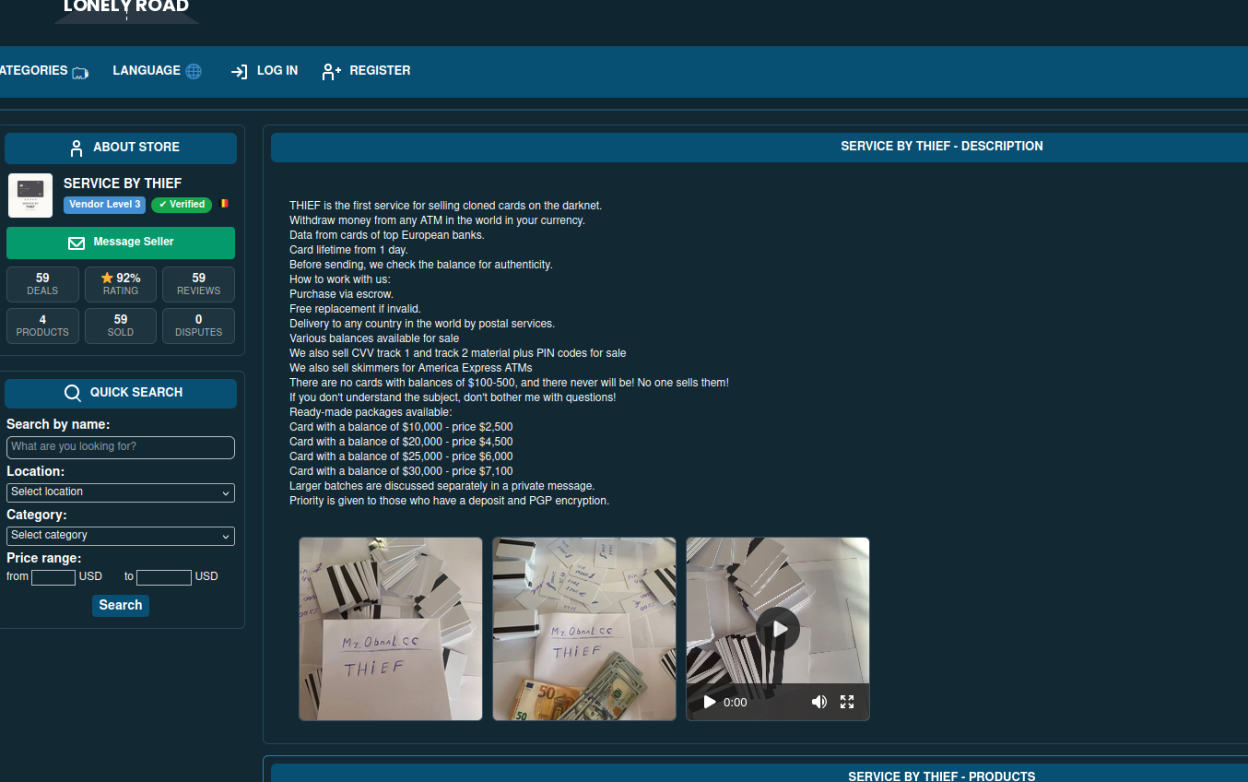
Protecting Yourself from ATM Skimming: Personal Insights
A Florida man paid $480 for cloned cards and Monero. The ATM camera, bank logs, and KYC exchange records ended his run in 15 days.

What is Sustainable Farming? Understanding the Basics
Discover what sustainable farming is and how it benefits the environment, communities, and food systems for a healthier future.

Sustainable Farming Techniques You Should Know
Explore essential sustainable farming techniques to enhance productivity while minimizing environmental impact for small-scale farmers and…

Home Gardening Ideas for Every Season
Discover practical home gardening ideas for every season to enhance your small garden and grow healthy plants with ease.